So what?
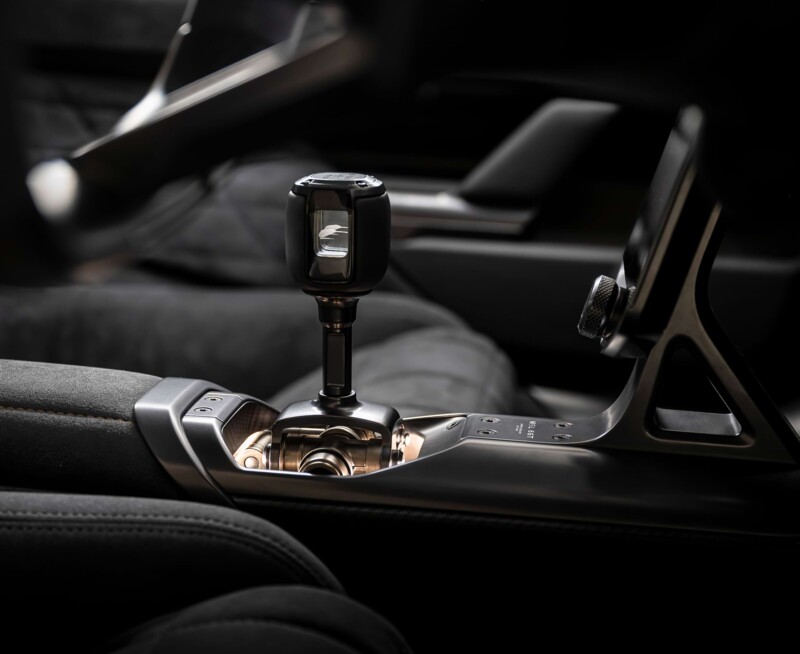
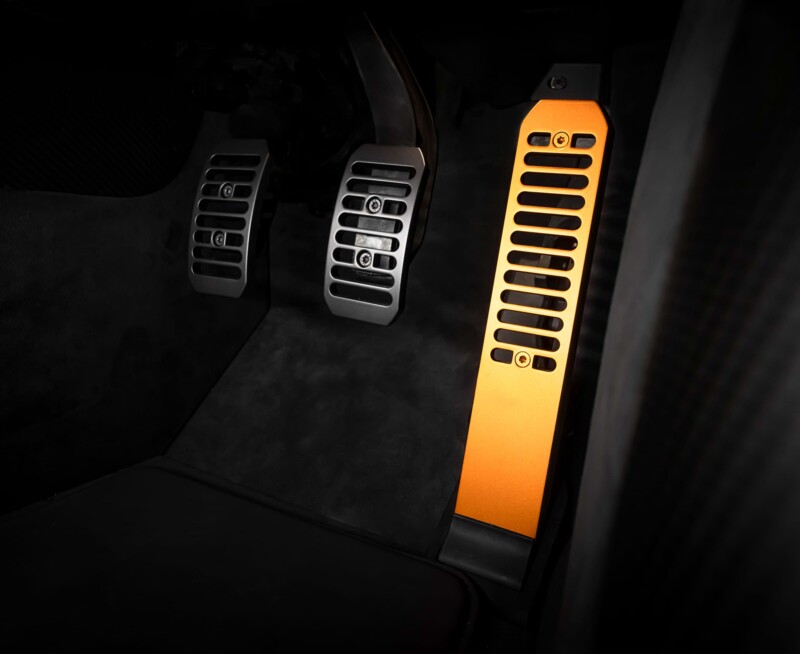
We’re talking about pleasure here. About the little joy of shifting into gear smoothly. About the resistance in the gear lever. About the weight of the steering. About an engine whose condition you can sense with your hands, feet and bum. About that marvellous feeling that, between intention and reaction, there’s just enough of a human being left.
And anyone who thinks that’s just sentimental nonsense is quite mistaken.
Psychology has a few lovely terms for this. Autonomy and competence, for example – two of those basic needs described by Deci and Ryan in their self-determination theory: choosing for oneself, being able to do things for oneself, having an impact. A manual gearbox can do exactly that. It places decisions in our hands and responds to them in the very same moment with resistance, a click, a subtle crack in the wrist.
Cognitive science refers to something similar as ‘sense of agency’: the feeling of actually being the originator of an action and its effect. And the more immediate a car’s response, the easier it is to experience precisely this feeling.
A dual-clutch gearbox changes gear for us. A manual gearshift changes gear with us.
And somewhere in between, that ‘flow’ described by Mihály Csíkszentmihályi can arise: that wonderful state in which skill and challenge come together and time briefly forgets that it exists. A manual gearbox is, in this context, a stimulating invitation.