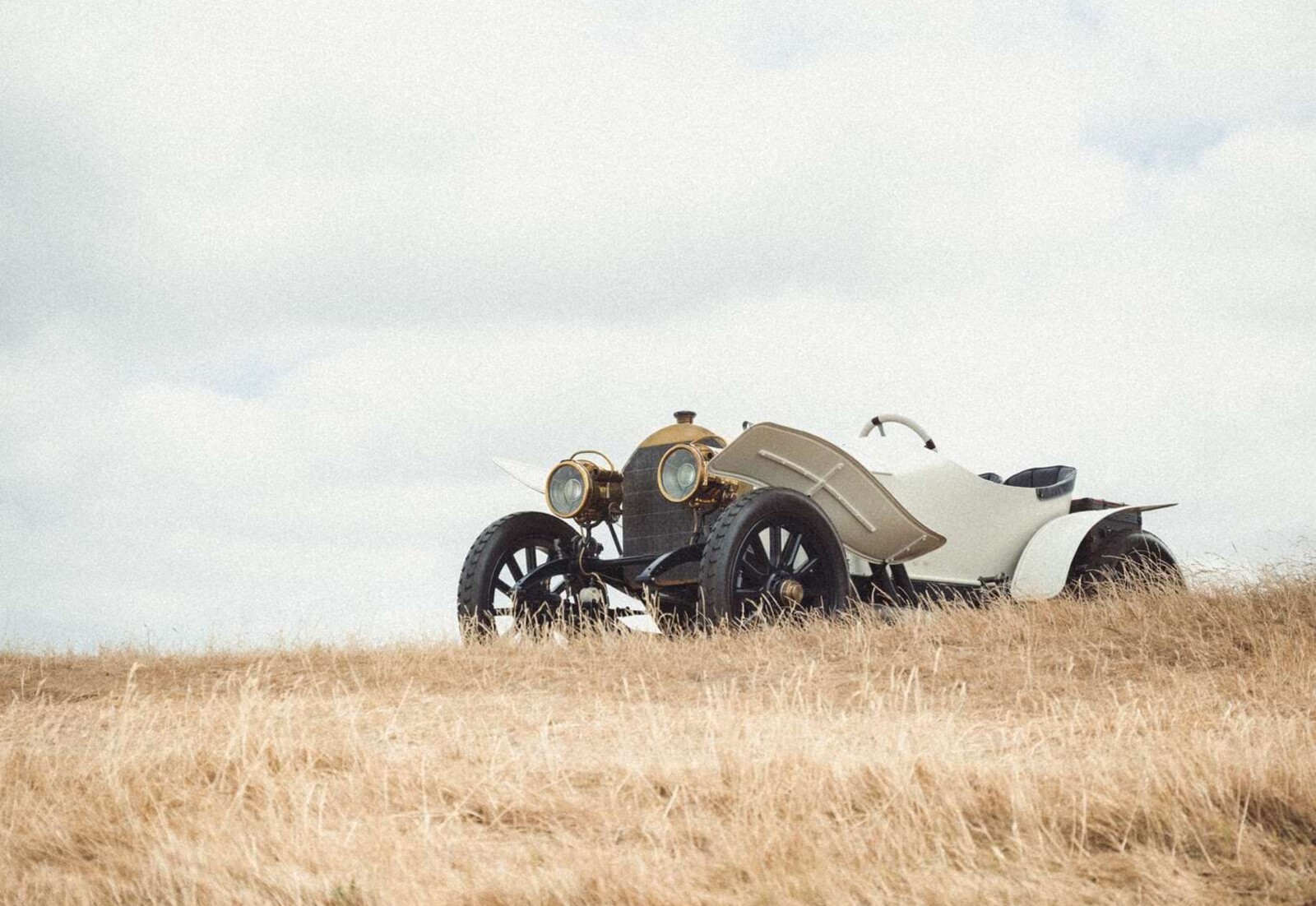
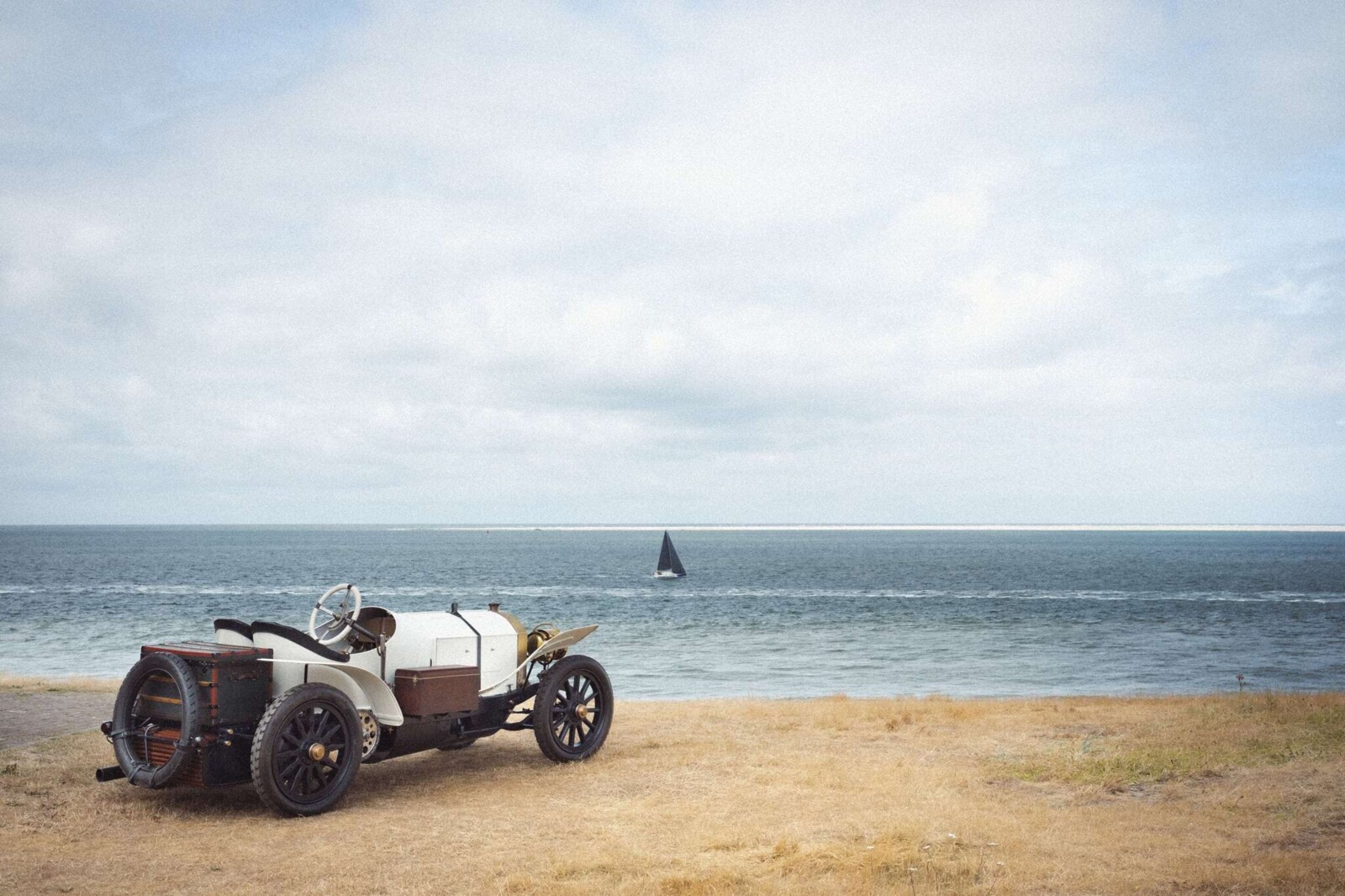
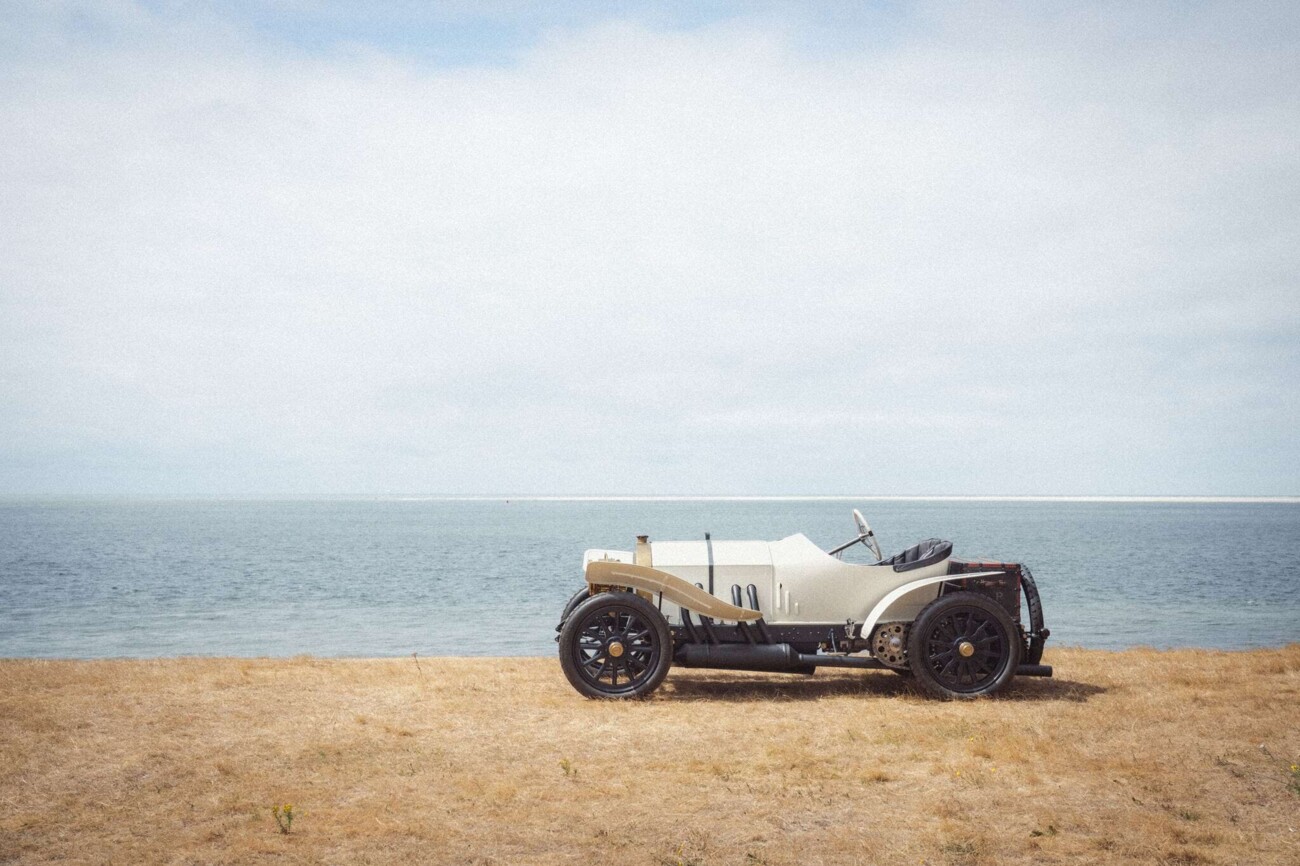
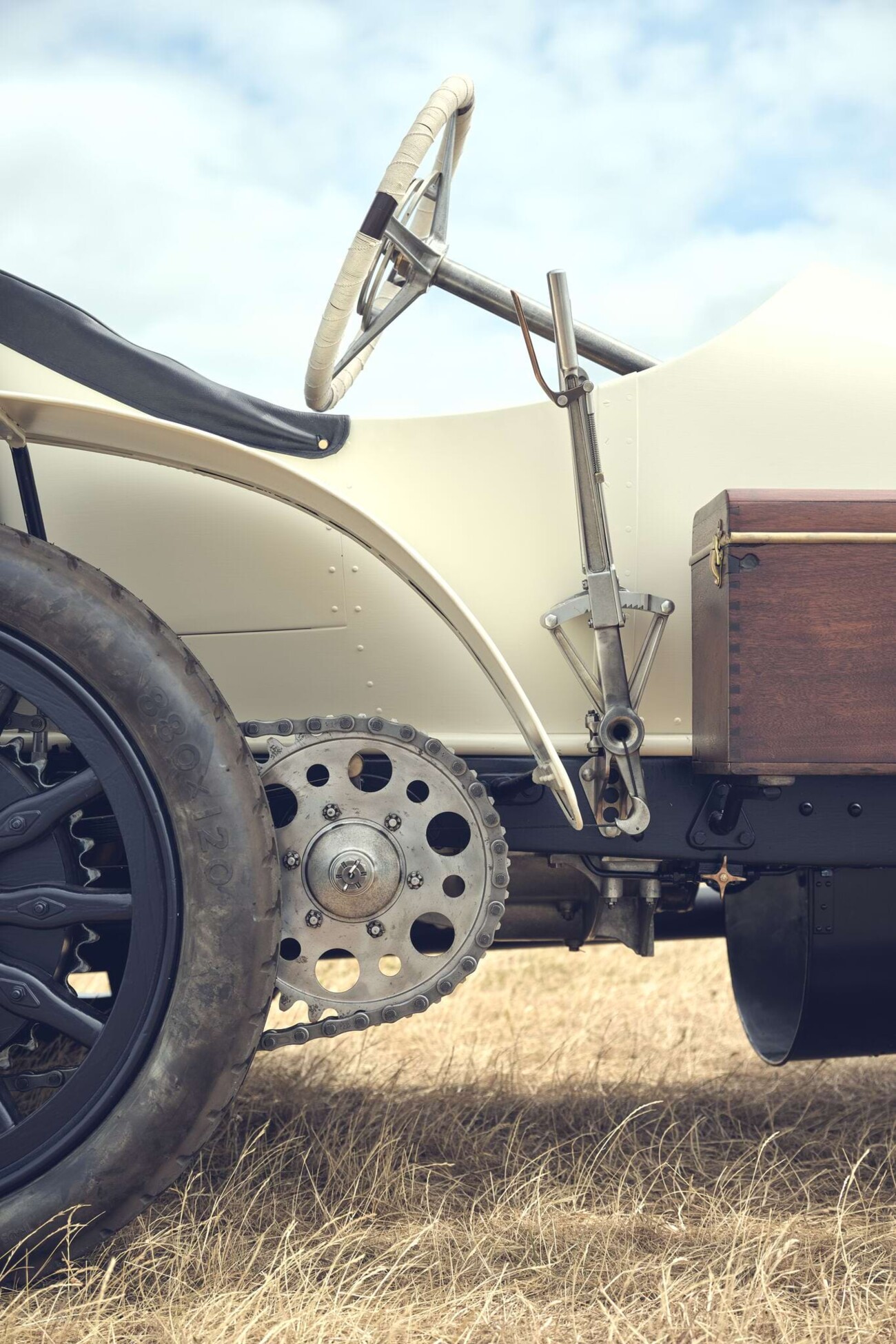
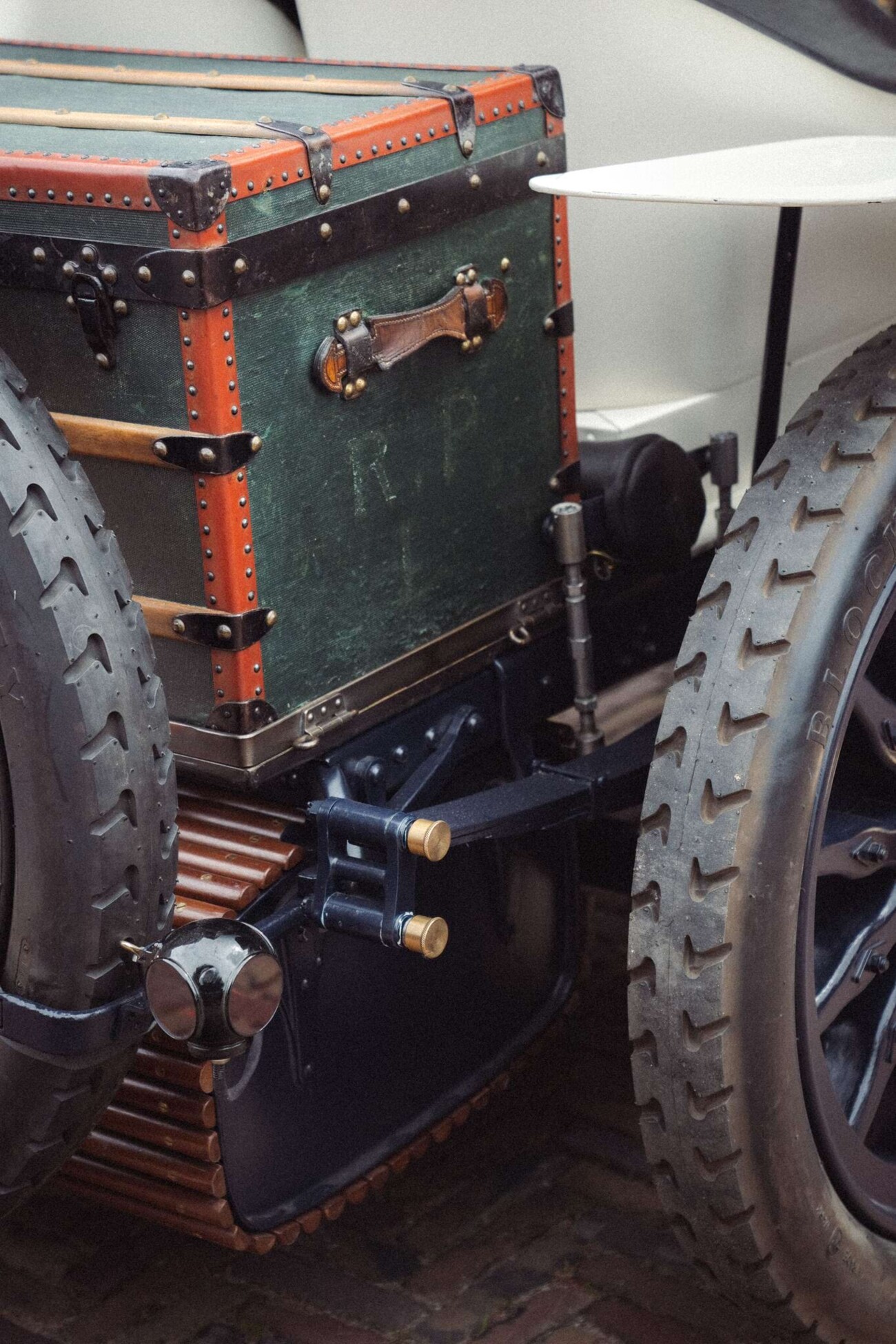
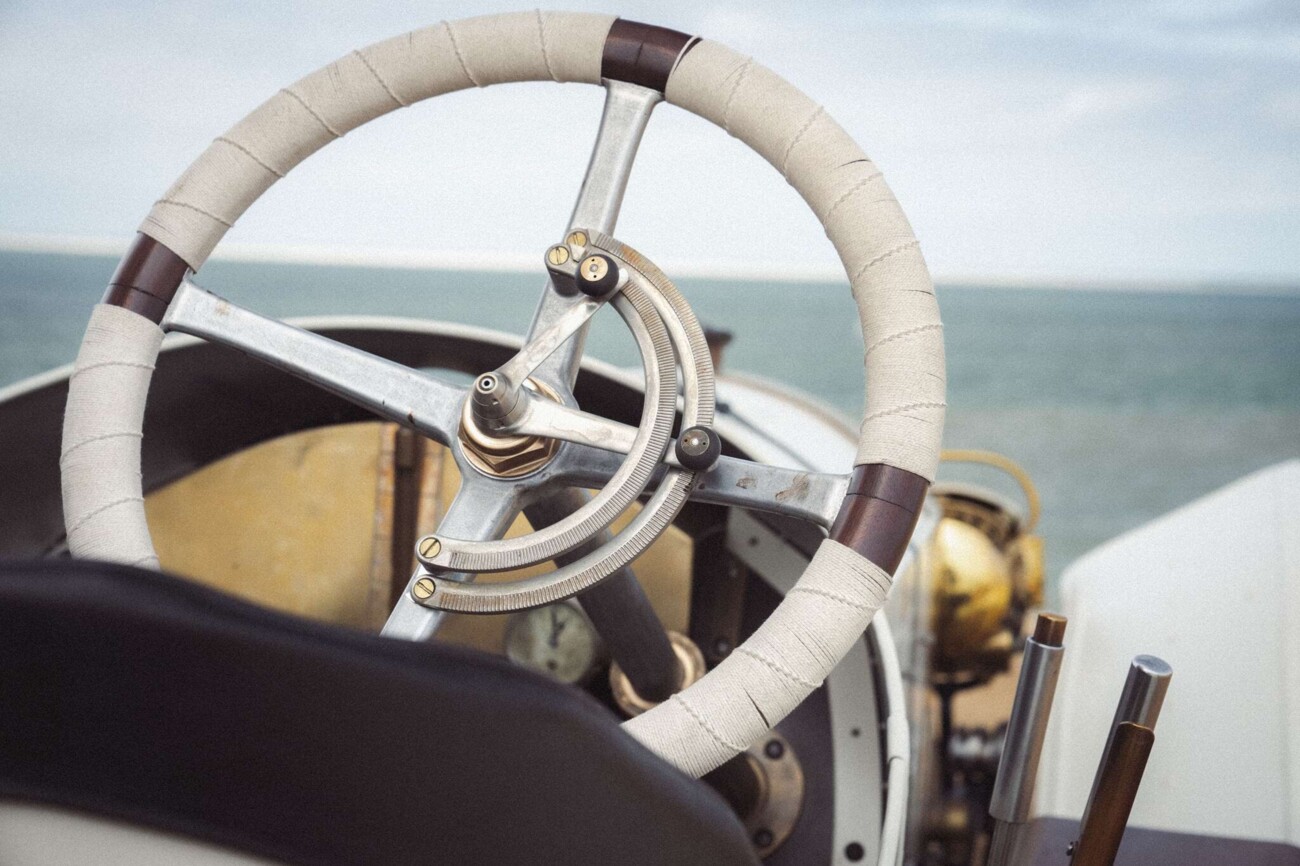
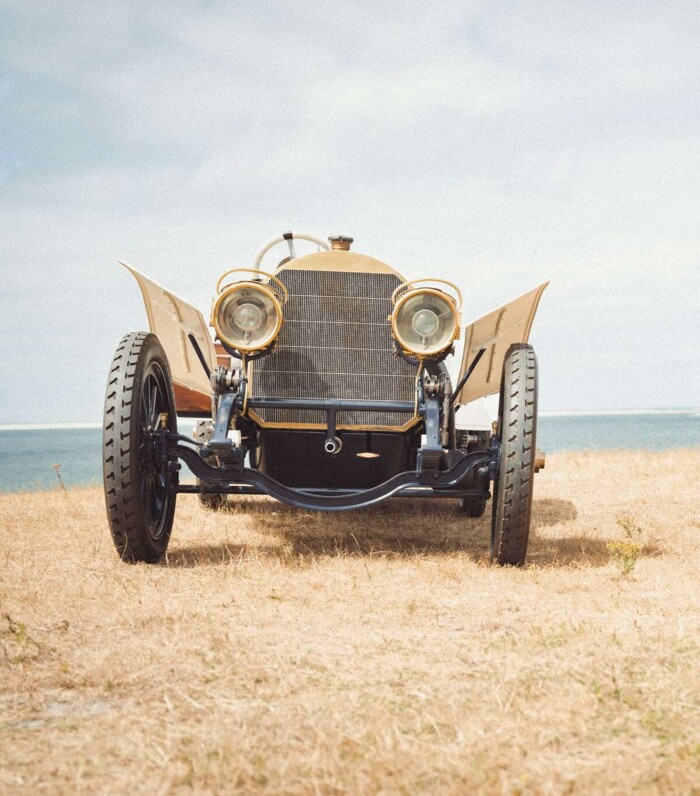
Normandy, 7 July 1908. At six o’clock in the morning, 48 cars set off at one-minute intervals, setting off so early that even the slowest will still reach the finish line before nightfall. Ahead of them lie ten laps, each just under 77 kilometres long, totalling 769.889 kilometres: cobblestones, gravel, and swirling tar dust that stings the eyes and burns the lungs. Not exactly a Sunday jaunt. After the race, all the drivers and mechanics have to have their eyes treated; one driver is hit in the eye by a stone that has been flung up; he carries on driving, half-blind, to finish in second place. Henri Cissac’s car loses a tyre and rolls over. It is the first fatal accident in Grand Prix history: Cissac dies along with his mechanic, Jules Schaube, who is sitting next to him. There is no dedicated safety department yet. Back then, drivers and mechanics were not separate worlds. It was a time when driving, tinkering and inventing still went hand in hand. If you want to be fast, you have to understand your machine.
There is a lot at stake for the French. Renault had won in 1906, but Fiat had already won in 1907. And now this. At first, it looks like a lively back-and-forth: Willy Pöge pulls away early on, his Mercedes colleague Otto Salzer sets the fastest lap at a daring 126.5 km/h, and in between, a French driver briefly pushes his way to the front. But on the fifth of ten laps, Christian Lautenschlager’s Mercedes takes the lead and doesn’t relinquish it. In the process, he wears out 22 tyres, stops ten times – both in the pits and at the side of the road – and, after just under seven hours, crosses the line first with an average speed of 111.1 km/h, almost nine minutes ahead of the runner-up, a Benz. Third place: another Mercedes. Of the seven best-placed cars, only one bore a French badge; the other six were from Germany. The shock ran deep. The following year, there were no longer enough car manufacturers to field a field for the Grand Prix. The race was suspended for three years.