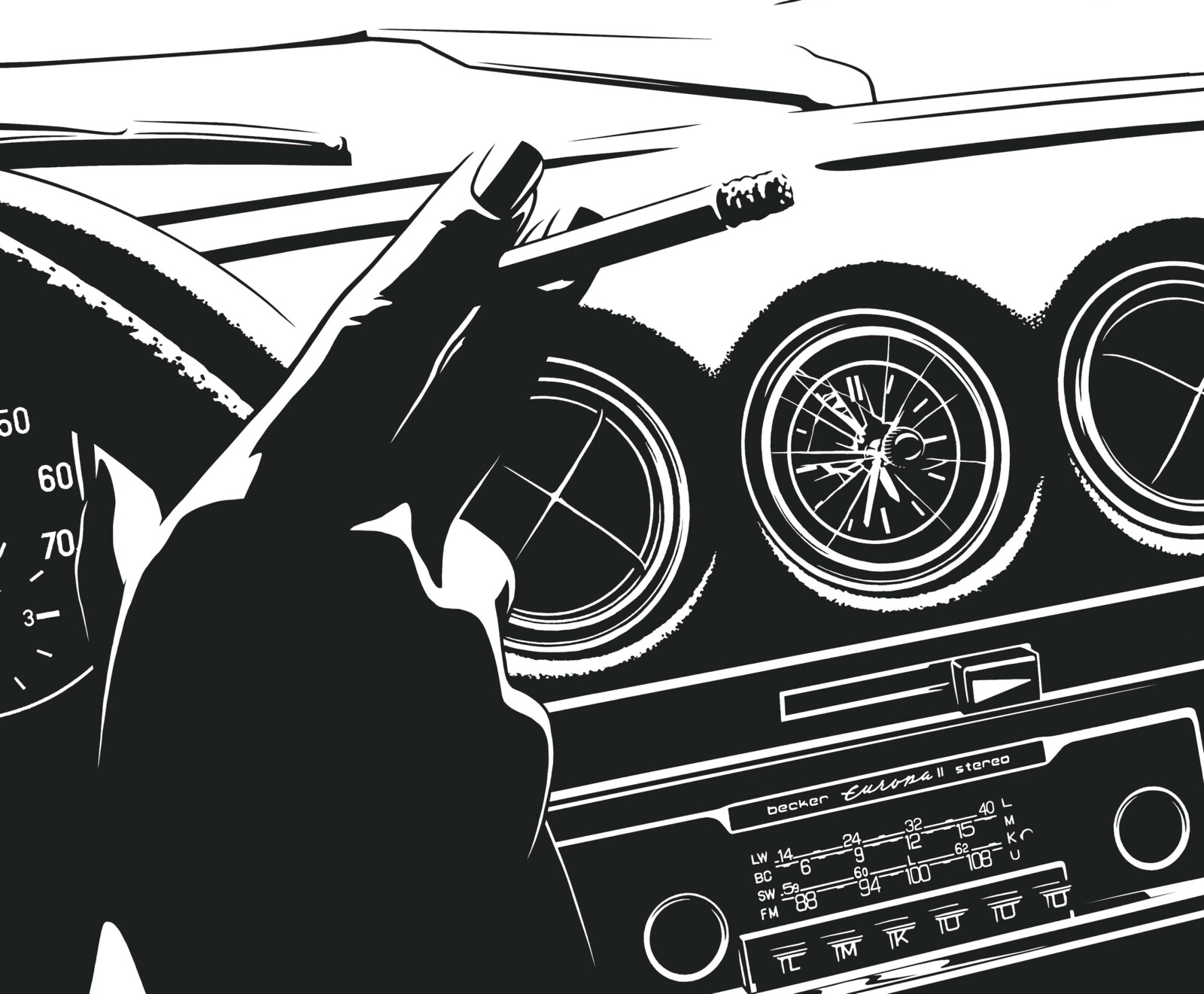
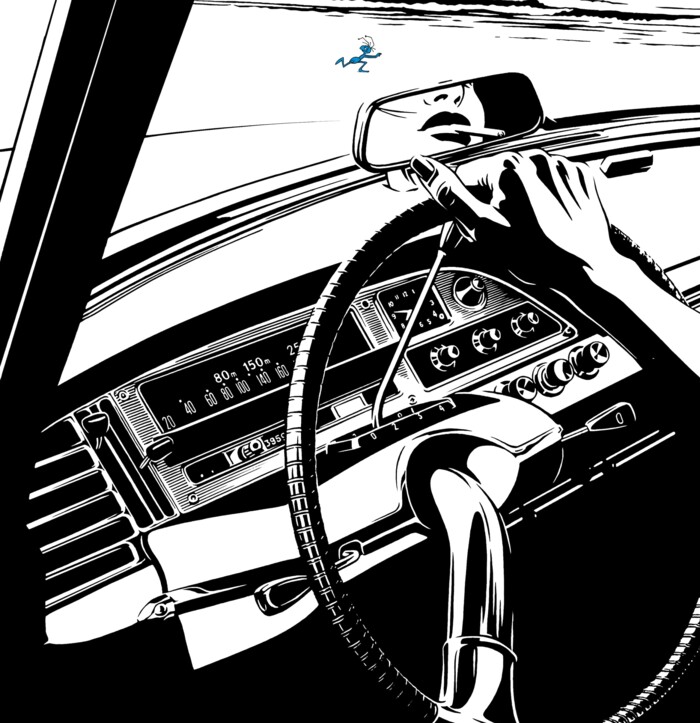
There was a time when you could adjust the temperature in your car without having to open a sub-menu first. You simply turned a dial. That was it. It was almost revolutionary. Then came digitalisation. And with it, the idea that as many screens as possible automatically equate to as much progress as possible. Air conditioning, heated seats, volume – everything increasingly disappeared behind shiny glass surfaces.
Looks smart. But is that all? It’s not always quite so practical.
Less swiping. More driving.
At the Automotive Design & In-Cabin Expo North America, taking place in Michigan from 27 to 29 October 2026, the automotive industry is now grappling with a remarkable question: must the future of vehicle controls really be entirely digital?
In her presentation ‘The Great Interface Rebalance’, Mel Roberts from Stellantis addresses precisely this topic. Her approach: sensibly combining analogue controls, adaptive user interfaces and personalised functions. For a user experience that is more intuitive and less distracting.
After all, anyone who has to find the right part of the screen whilst travelling at 130 km/h might well find themselves longing for a good old-fashioned rotary control.
Progress at the touch of a button?
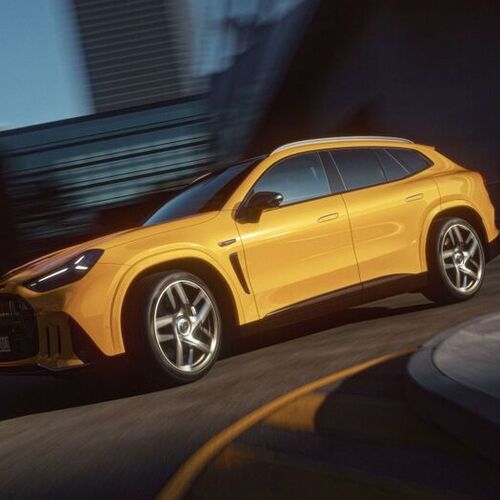
Porsche also demonstrates that the discussion has long since moved beyond specialist conferences. With its Mission S concept car, the brand is once again placing the focus on physical controls and a driver-oriented cockpit. We think that’s brilliant.
This is by no means about banishing digital technologies from the car entirely. After all, navigation, driver assistance systems and smart functions have their place.
The crucial question is rather which functions require a screen. And which would be better served by a single, simple action.
So perhaps the next big revolution in the car’s interior won’t consist of even more displays, artificial intelligence or animated menus.
But rather of a button. One you can press. Without looking.