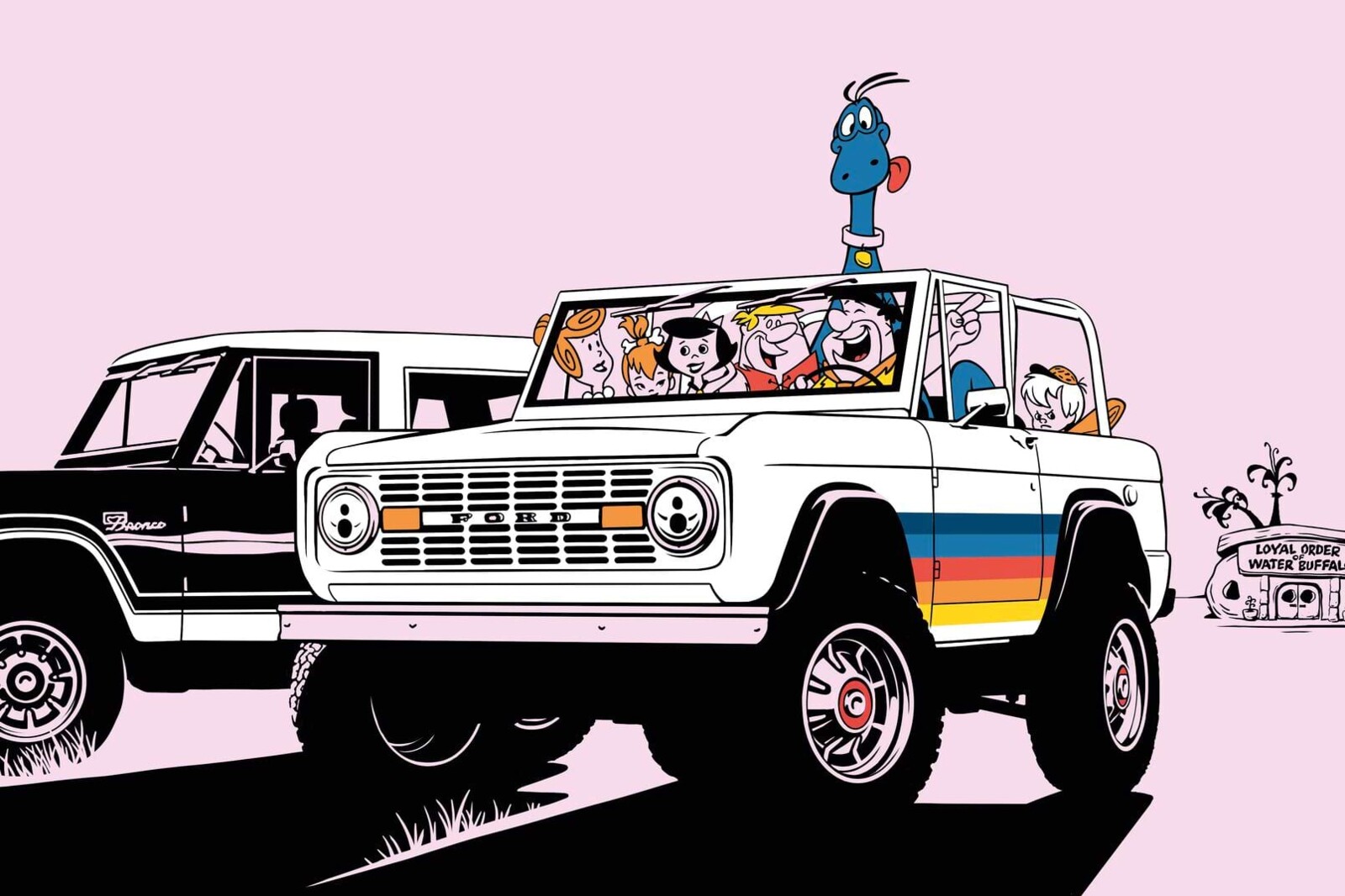
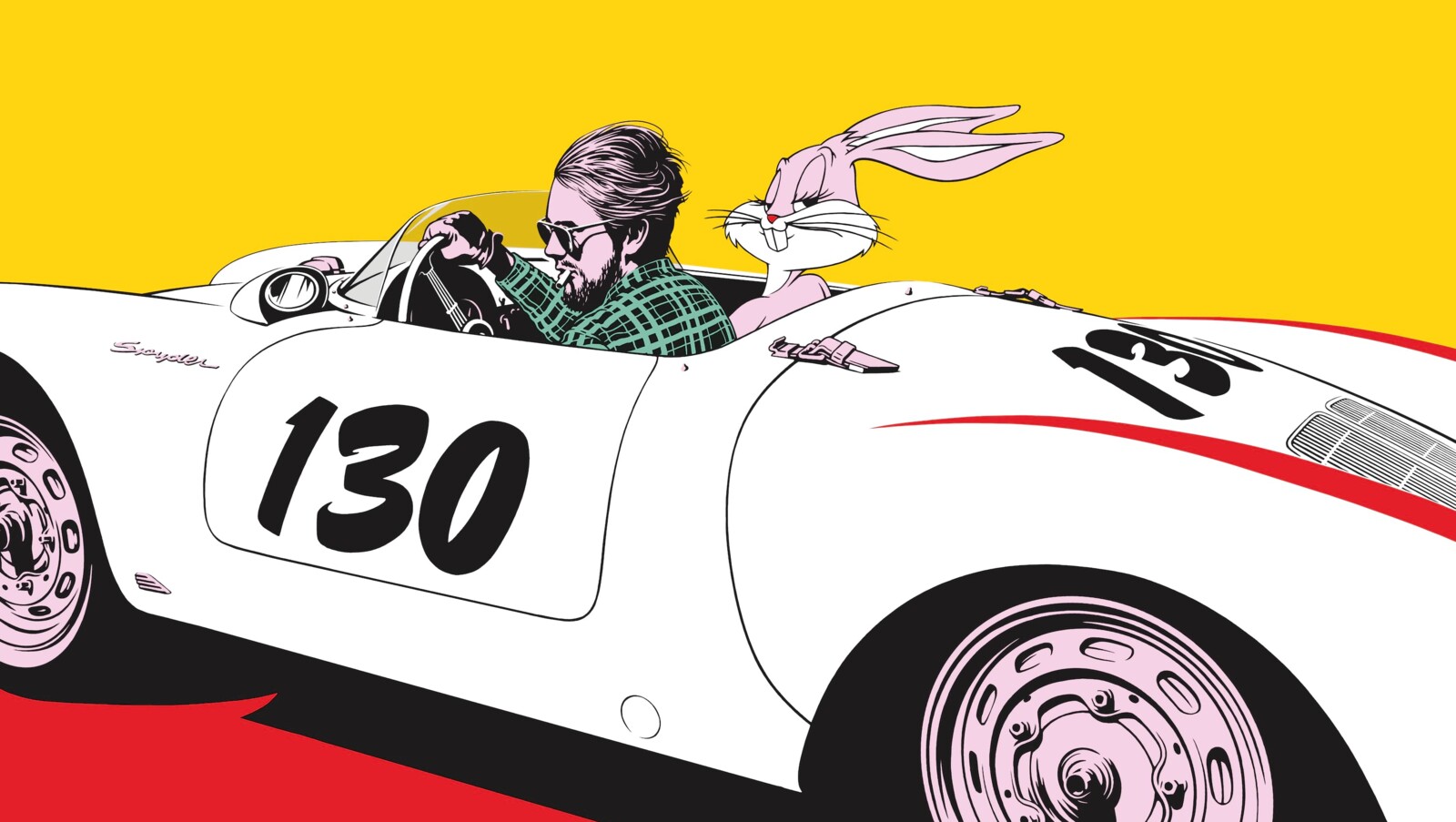
To capture a large part of this promise, BMW long ago coined three words that have since come to mean far more than mere advertising: ‘The Joy of Driving’. Since 1965, initially as ‘Aus Freude am Fahren’ (‘For the Joy of Driving’); in 1972, the ‘Aus’ was dropped. The phrase is so well known that it’s easy to overlook just how apt it is. It doesn’t mention performance, progress or efficiency – nor any of the lofty terms companies like to use to prove they’ve read their strategy documents. It mentions joy. For six decades. For a car brand, ‘joy’ is a wonderfully non-technical promise. It cannot be measured in newton-metres; no test bench can confirm it. You either feel it or you don’t.
The interesting thing about it is the build-up over time. Long before the joy of driving takes hold, a film has already begun playing in your head. Anticipation of the drive. It begins with the first glance, with the configuration, with the colour that sensible adults spend three evenings discussing as if the future of Europe depended on it, with that unnecessary trip to the garage in the evening, just to check once more whether it’s really there. It’s there. Joy has a lead-up. Smart brands have realised this. They don’t sell products. They sell the film programme playing in your head. The programme celebrates organised anticipation.
And it has an afterglow, too. After the journey, what remains is a song, a smell, a road, an evening, a completely wrong turn. The experience becomes a story, and stories have the pleasant quality of bringing the past back to life whilst simultaneously creating a new future. At some point, someone says: ‘We should do that again.’ That’s all it takes. And the whole marvellous nonsense begins all over again. This is how joy travels through time: as a wish, as anticipation, as an experience, later as a memory, and at some point again as a new wish. It does not necessarily burn itself out the moment it arrives. It can shine ahead and continue to glow afterwards. Sometimes it even does both at once. In the end, a good life consists less of as many highlights as possible than of well-spaced reasons to look forward to something. Big things are welcome, but the little ones work with astonishing reliability. The art lies in infusing the time in between with meaning.