And what happened next?
My mum received an email from my current agent, who wrote that he wanted to work with me. He then sorted out the contracts very quickly; I was only 14 at the time and suddenly had a sponsor, a team and lots of competitions. It was a bit difficult at first because I was on my own. Sure, there was the team, but no mum, no dad, no brother. It was just me. But ten years later, I was competing at the Olympic Games.
How would you describe yourself?
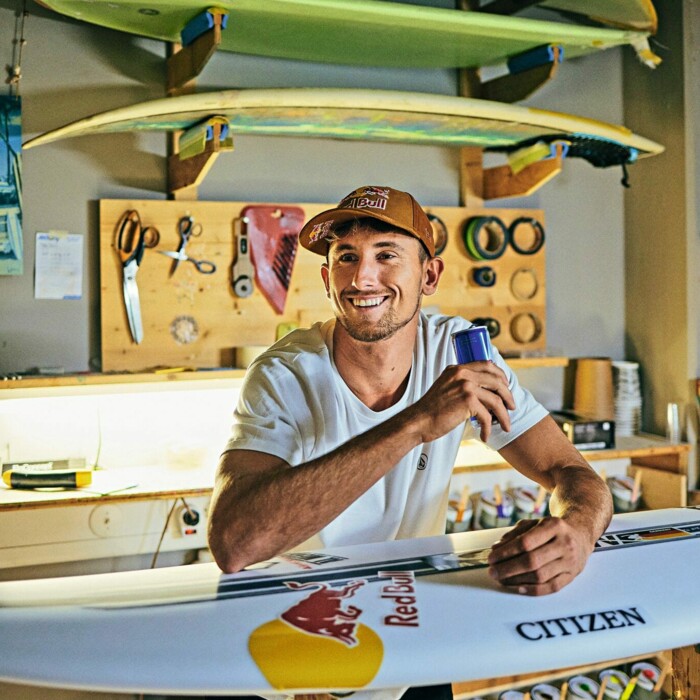
I was born in Hawaii and grew up in a small town in the south of Costa Rica; my parents are German. I came from nothing, started from scratch and worked hard. And with hard work, you can achieve anything.
What does surfing mean to you?
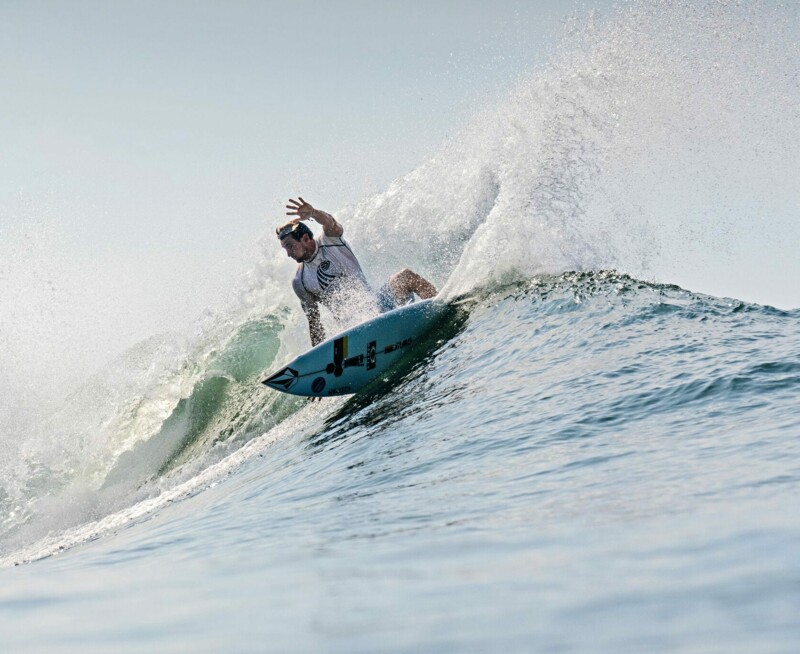
It’s my life; I couldn’t do without it. I always have to be near the water. Just seeing the sea is enough – then my brain starts surfing.
Surf culture is often portrayed in a romantic light. Is it really such a perfect, beautiful world?
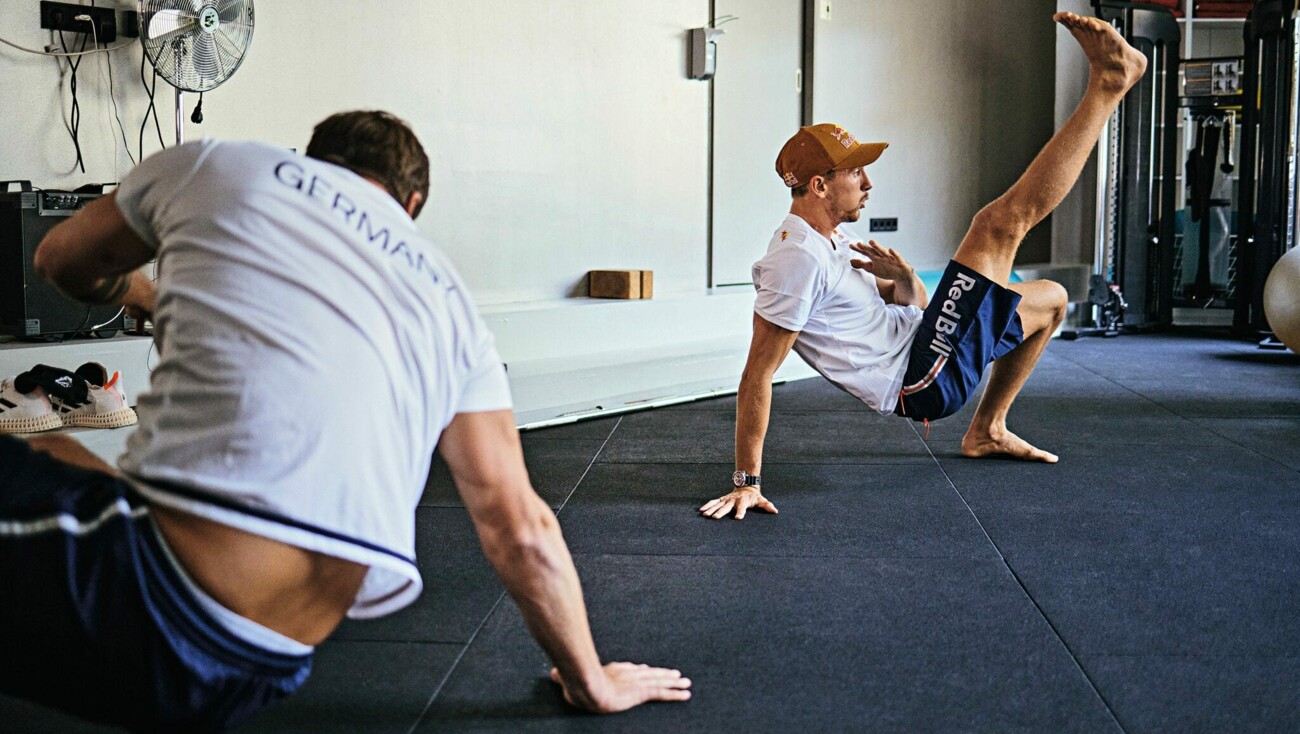
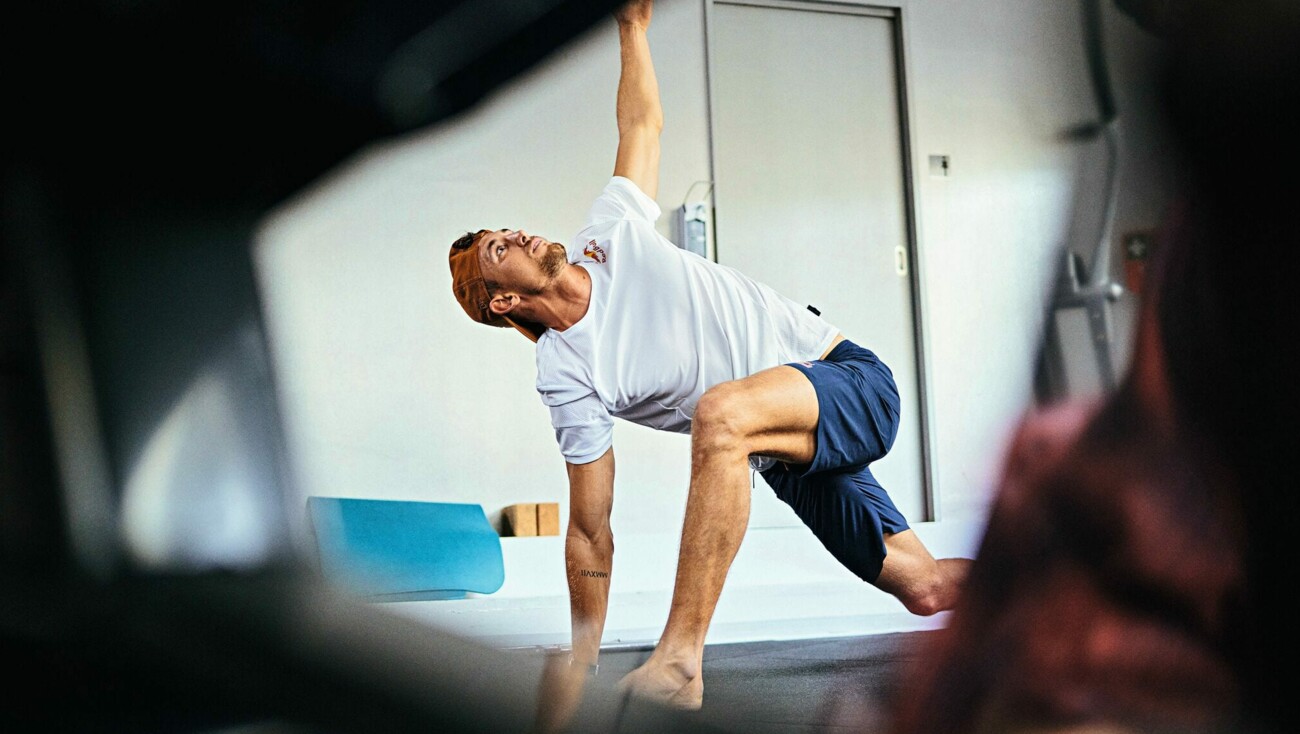
Yes and no. Amateur surfers are always looking for the perfect wave; they’re on the beach, in the sun, and they see the beauty in it. There’s nothing wrong with that – it is romantic, a paradise. The life of a professional surfer, however, is quite different. Of course, there are days when we have time off, but normally we’re training. When the waves are good, we head out – come rain, storm or wind. We surf with a specific goal in mind, talk to the coach afterwards, then head back out. It’s very exhausting, but it’s also worth it. And for me, winning a major competition is the best feeling ever. In that respect, all those tough days are better than a perfect wave.
Do you tempt fate?
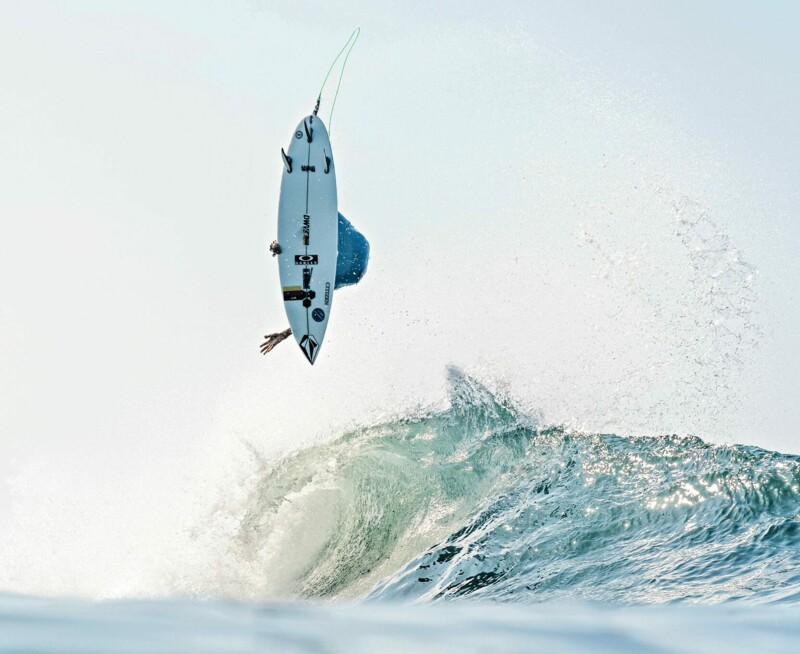
When you’re surfing big and dangerous waves, you certainly do a bit. I do think, though, that that’s exactly when you’re most fully in the moment, most focused.
And what about fear?
As a professional surfer, you feel fear too, because you’re on your own. You travel for eleven months of the year and only have your team as your family. Sometimes you feel sad, want to go home, worry that you won’t make it, or that you’ll lose at the Olympics or in a competition. I’d still call it positive pressure, though, because I’ve chosen this path – and I’ve also chosen to succeed.