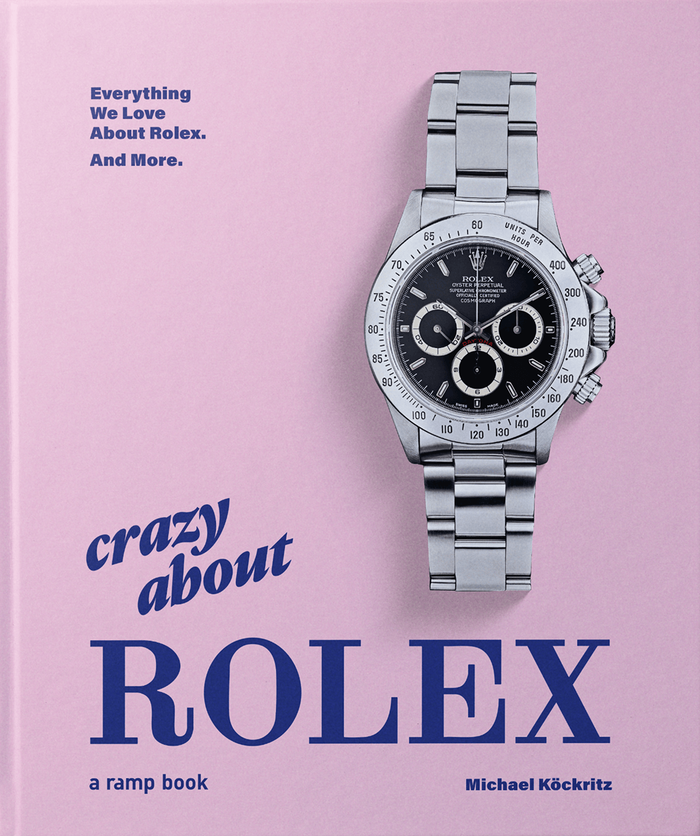
But if someone has no particular connection to Rolex: what
story, which model or which detail would you have to show them
for them to suddenly understand the fascination?
I wouldn’t start with a watch at all, but with people. With
Mercedes Gleitze, who swam across the English Channel. With explorers,
pilots, racing drivers or mountaineers. For decades, Rolex has been part
of stories about curiosity, new beginnings and discovery. Once you know these
stories, you suddenly see more than just a watch. You
understand why it has become an icon. And at the same time, you realise
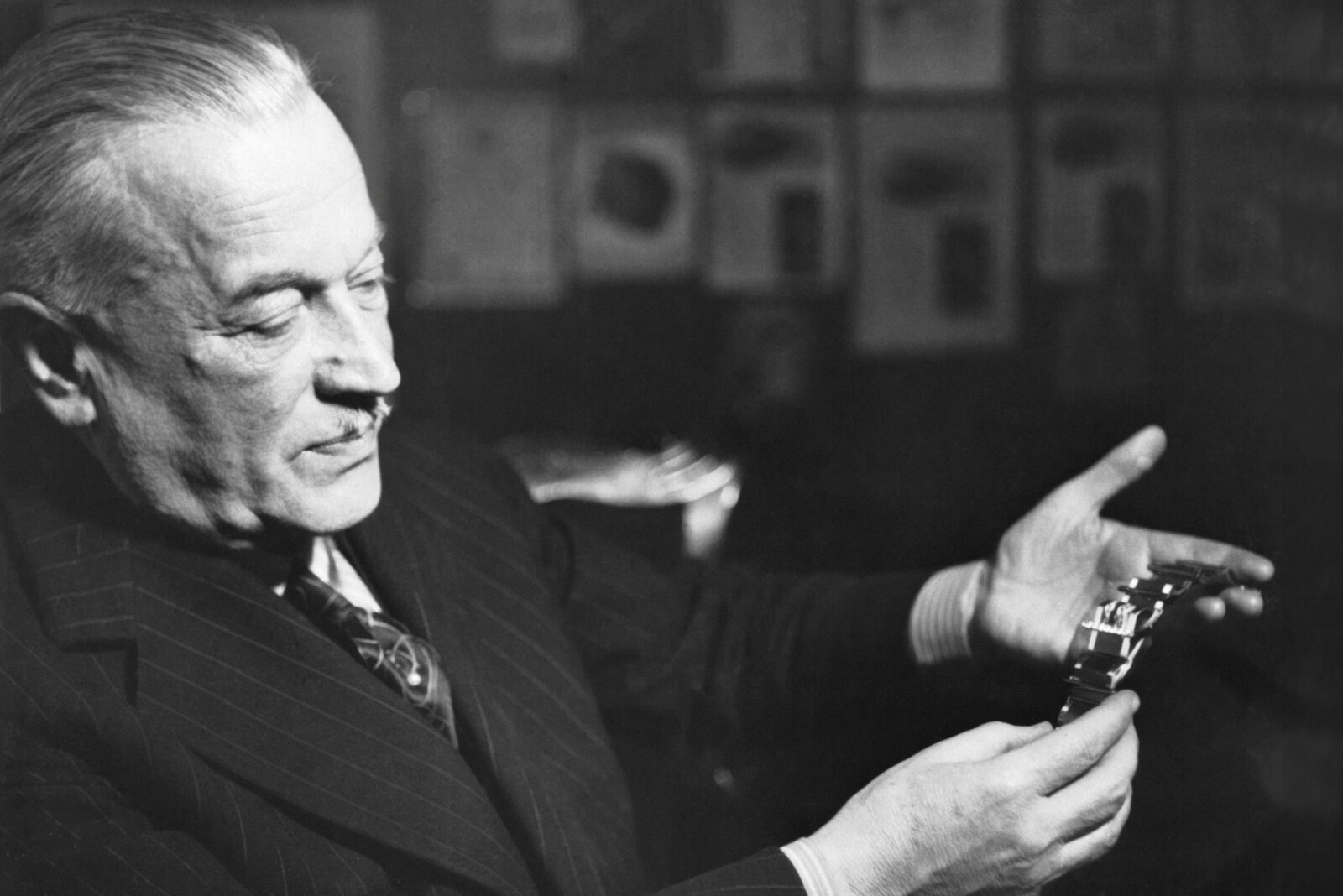
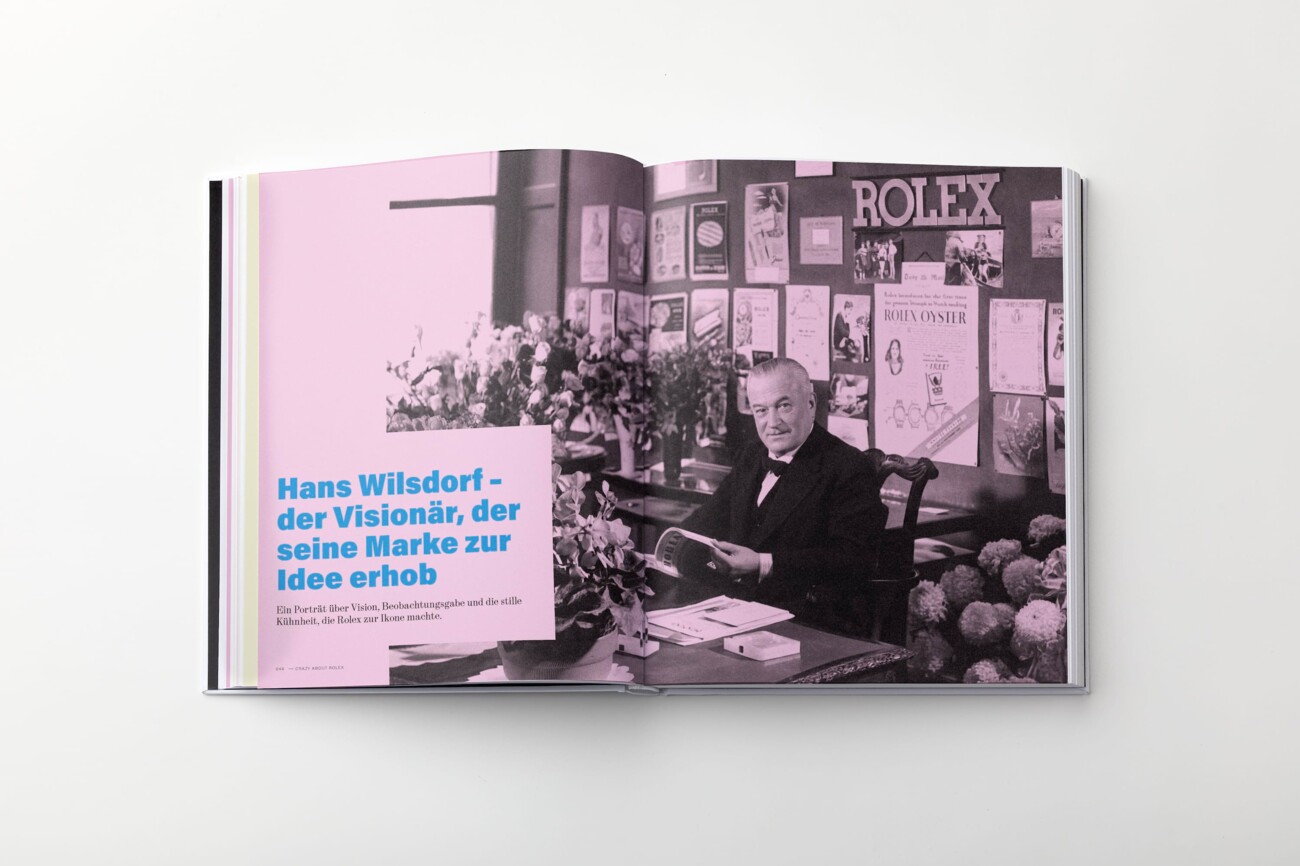
just how visionary Hans Wilsdorf (the founder of Rolex, ed.)
. He realised very early on that technical innovation alone
is not enough. It is stories that give meaning. Rolex has
never viewed stories as mere decoration, but as part of the brand
itself. The brand recognised its stories early on, told them skilfully and
has consistently continued to write them across generations.
There is a notorious quote from a French advertiser: ”Anyone who doesn’t have a Rolex by the age of 50 has achieved nothing
in life.” Another quote recently did the rounds on Instagram: ”A Rolex isn’t a watch, but a price tag on your
wrist.” How do you explain the fact that hardly any other watch brand triggers so
many projections and reactions?
When a brand is characterised in this way, it clearly has
enormous cultural relevance. After all, what does this statement actually say? That
something is perceived as particularly valuable here. However, in a rather
sour and envious way, this characteristic is often simplistically
associated with the price, which in turn reveals more about our society than
about the watch itself.
Of course, there are people who wear a Rolex as a status symbol.
To deny that would be naïve. But to conclude from this that it is therefore
merely a status symbol is far too simplistic. I am therefore
less interested in the question of whether Rolex is a status symbol. I find it more fascinating to consider
why we attribute status, significance and so much
attention to certain things in the first place. Status is a consequence of quality, significance
and fascination, not their cause.