Liberty Media pushed Formula 1 into the U.S. market with strategic
force, launching new races in Miami and Las Vegas. The Grand Prix wasn’t
just held – it was produced. As an event, a spectacle, an experience. In
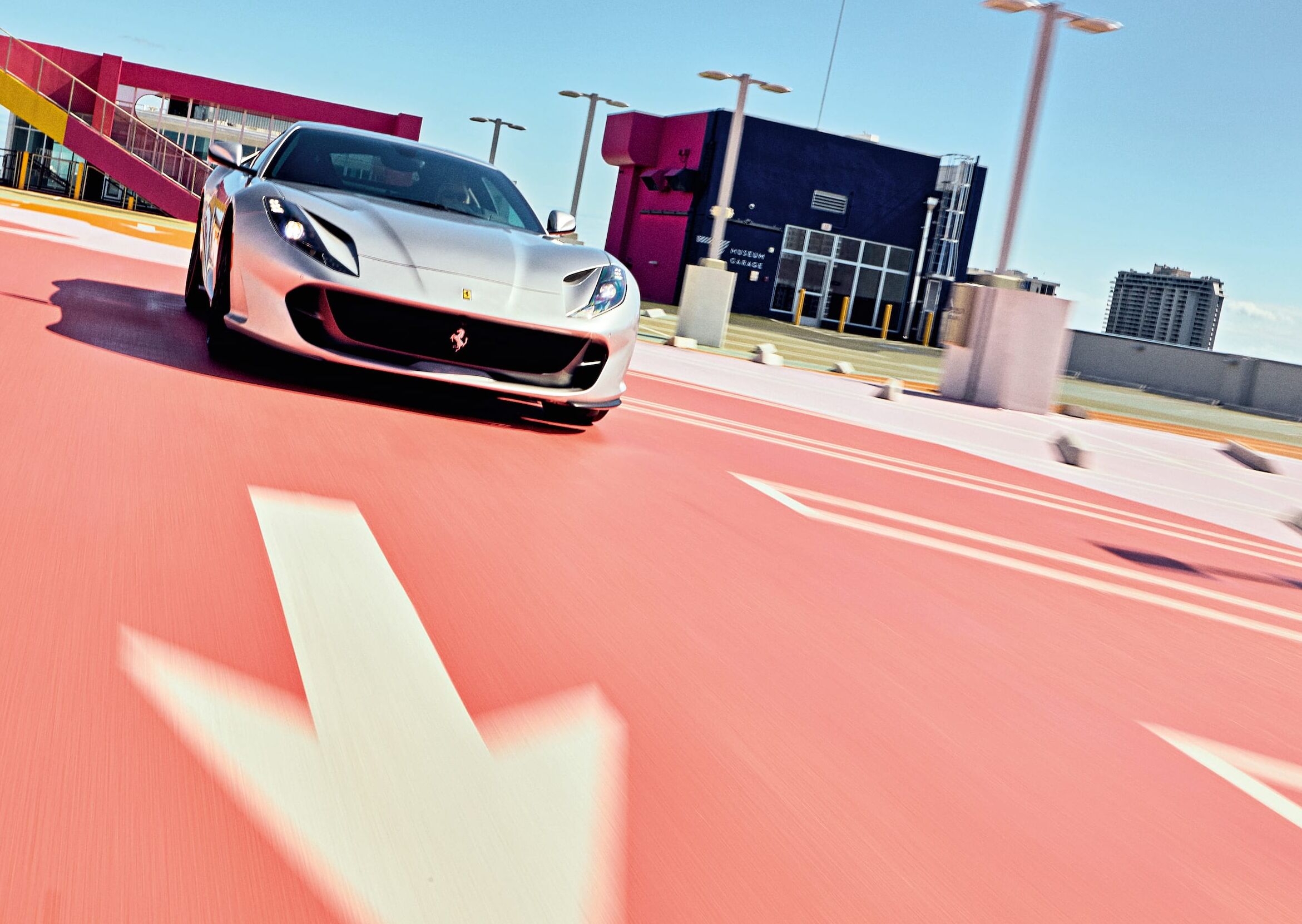
Miami, they built the Miami International Autodrome: a synthetic cosmos
of racetrack, celebrity circuit, food festival and content machine.
Liberty Media spared no expense – the Grand Prix Plaza infrastructure
was built from scratch. And by the second Miami race in 2023, Formula 1
had already sold about 25 percent more tickets than the Miami Dolphins
did over an entire NHL season. Pit lane, paddock, VIP stands – all
styled like a mashup of Silicon Valley and South Beach. Formula 1 got
faster, flashier, more accessible – and, more importantly, social media
ready.
Especially for the younger crowd. Netflix played a key role as the messenger. With Drive to Survive, they created a show that turned a sport for tech-freaks, with cool-headed drivers, closed garages and cryptic data on encrypted servers, into a drama of intrigue, hero worship and high emotion. The drivers became characters. Daniel Ricciardo grinned his way into viewers’ hearts. Toto Wolff rumbled with CEO energy. Günther Steiner swore his way into meme-dom.