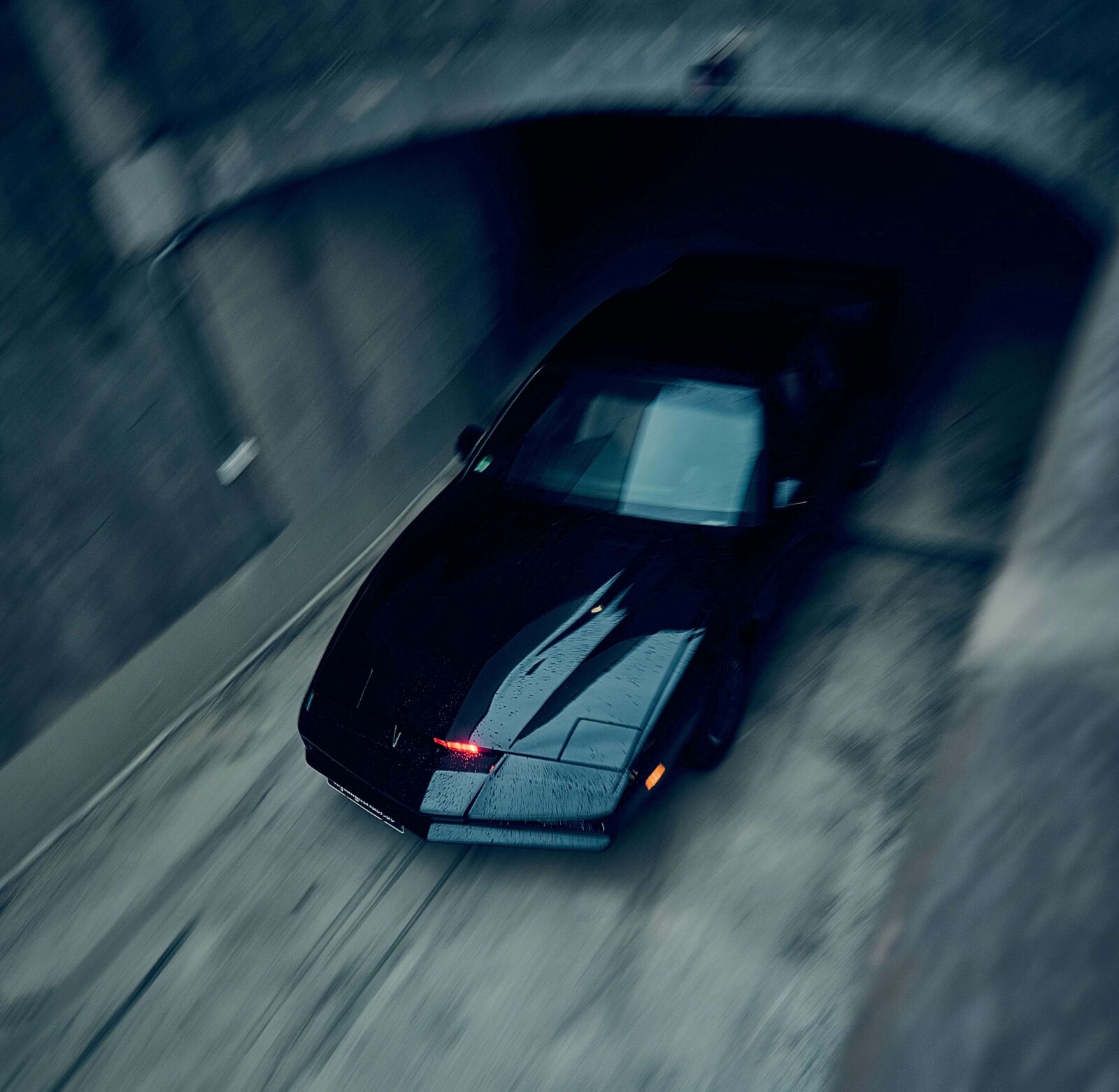
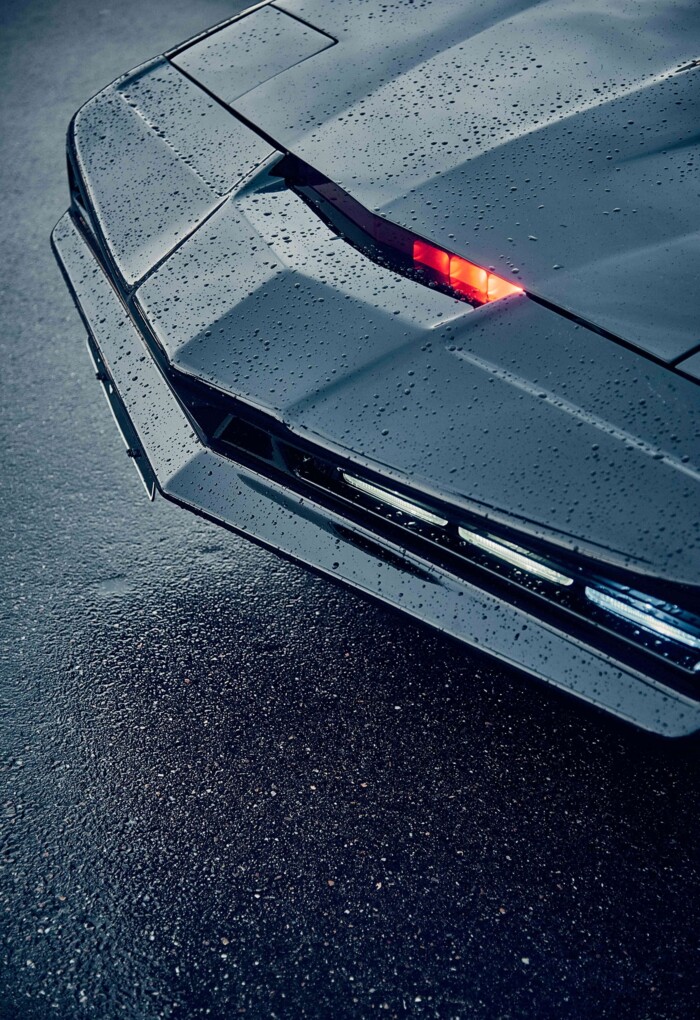
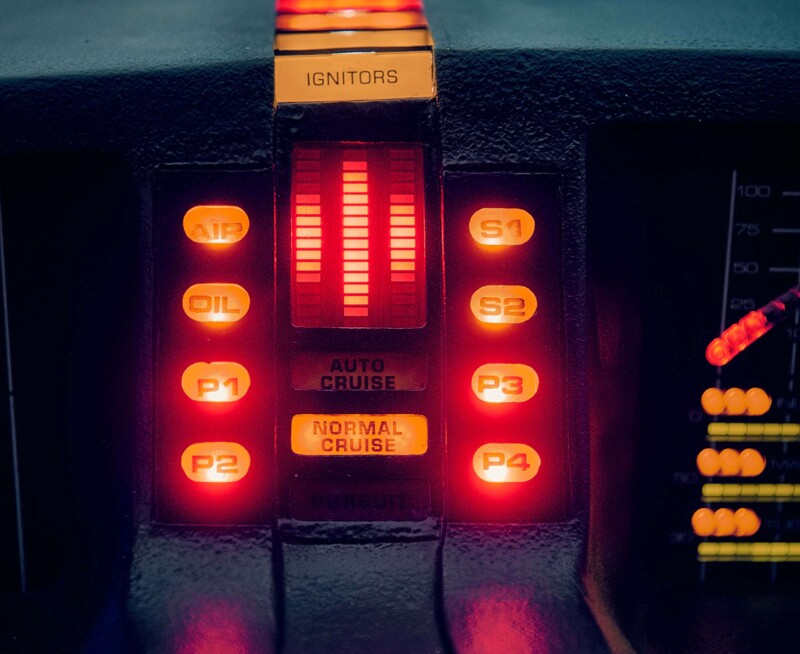
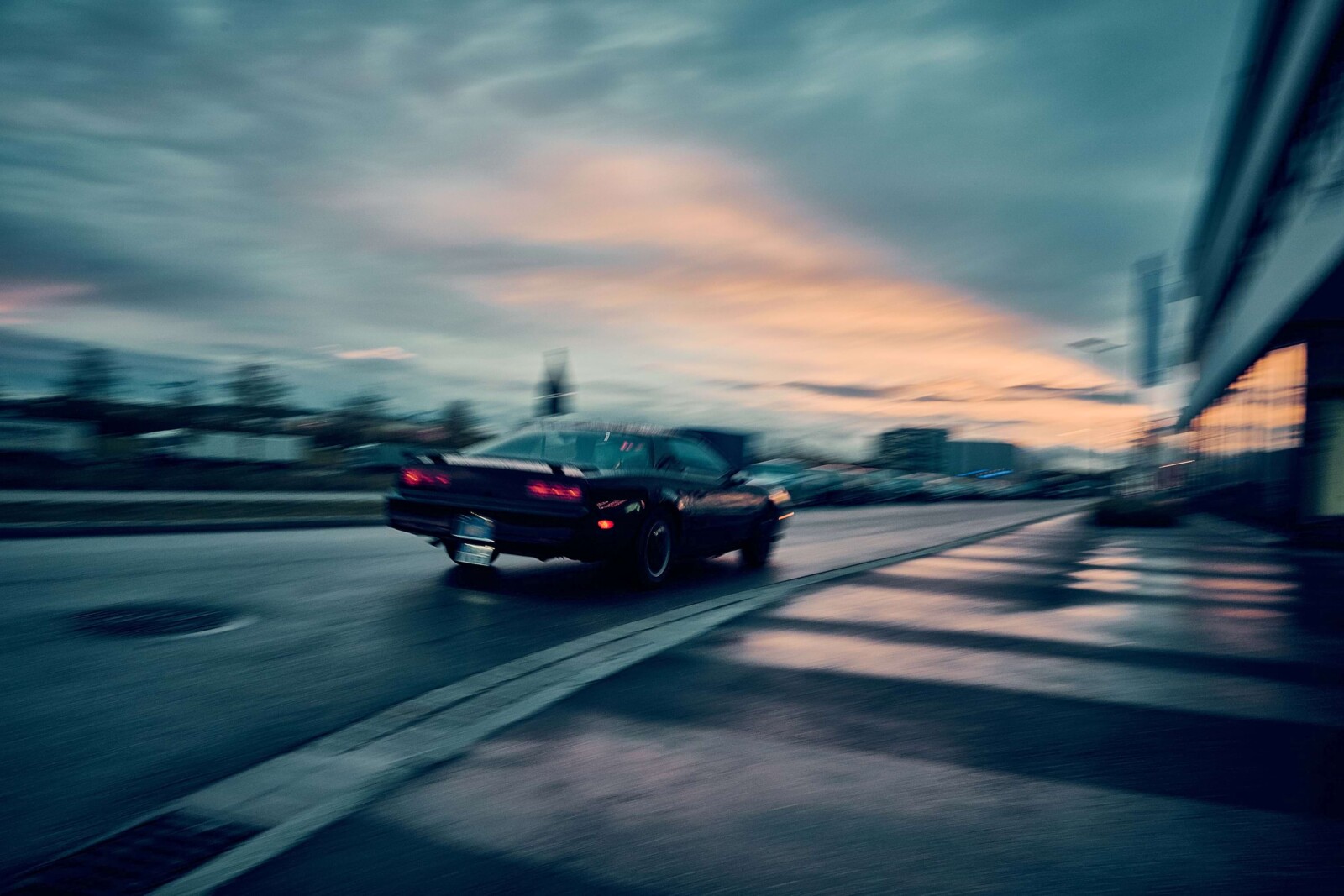
A computer that drives an elderly woman to the shops? That doesn’t sound particularly spectacular, though.
Then take another example: a person suffers a heart attack at home. Every second counts. Until now, it has sometimes taken a long time for an emergency doctor to arrive on the scene and organise transport. Autonomous and connected mobility could handle the transport much more quickly. Think about driving skills in emergency situations. An emergency doctor is, first and foremost, an emergency doctor, not a racing driver; a computer, however – as the autonomous Audi RS7 proves – comes very close to matching the skills of a racing driver.
Doesn’t that contradict safety considerations?
Not when combined with modern hazard detection capabilities and vehicles being connected to one another. It is precisely this connectivity that can save lives. Time and again, for example, people lose their lives because emergency services cannot reach the scene of an accident on motorways quickly enough, as careless or indifferent drivers fail to form a proper emergency corridor. Connected cars would solve this problem too.
Do you really believe that people will develop that much trust?
First and foremost, people embrace anything that makes their lives easier. That is why they will also embrace autonomous transport from A to B. One of the biggest problems lies in the transition phase – and here, quite simply, in the fact that humans and computers are driving together within the same system, and whilst humans are the designated authority, they also remain the unpredictable variable.
Watch out, K.I.T.T. …
I’m simply analysing the facts. And the fact is: a person who, in an analogue, non-connected car, decides to drive the wrong way down a motorway in a suicide attempt does not fit into the logical traffic system that computers are programmed to follow. These are things that a computer can only foresee to a limited extent. And if a braking or evasive manoeuvre lies beyond the limits of physics, even a computer will be unable to prevent the accident. Nevertheless: I, too, am programmed to protect human life, and that will also be the top priority of every other self-driving car.
When it comes to protecting people, do we inevitably end up with the Three Laws of Robotics, as laid down by Isaac Asimov as far back as 1942 in his short story ‘Runaround’? However, there is also a certain potential for danger here, as depicted in the 2004 film ‘I, Robot’ and as is even laid out with K.A.R.R., your misprogrammed, evil twin, in ‘Knight Rider’.
Are you afraid of me?
No, you’re K.I.T.T. …
Your behaviour is typically human. You try to rule out every conceivable risk. Yet without a willingness to take risks, humankind would not be where it is today. Every development carries a risk, and compared with earlier pioneers in history, modern people today shy away from risk far more than was the case fifty or even a hundred years ago. The dream of progress coupled with absolute safety is an illusion.