AEZ manufactures alloy wheels – that is, sporty wheels for cars, usually in larger sizes – which make the handling sportier and safer whilst enhancing the car’s appearance. However, these are now often fitted as standard equipment, which makes it more difficult to make the product sufficiently desirable. This is, of course, where marketing comes into play. In the automotive tuning industry, one rarely expects a subtle approach. Most of the time, the methods used were rather heavy-handed and in-your-face, and indeed, as late-adolescent car fanatics in the late 1980s and early 1990s, we reached for the D&W catalogue not only because of the tuning offers; back then, in well-stocked newsagents, it was prominently displayed between ”Men’s Health”, ”GQ’ and ‘Playboy”.
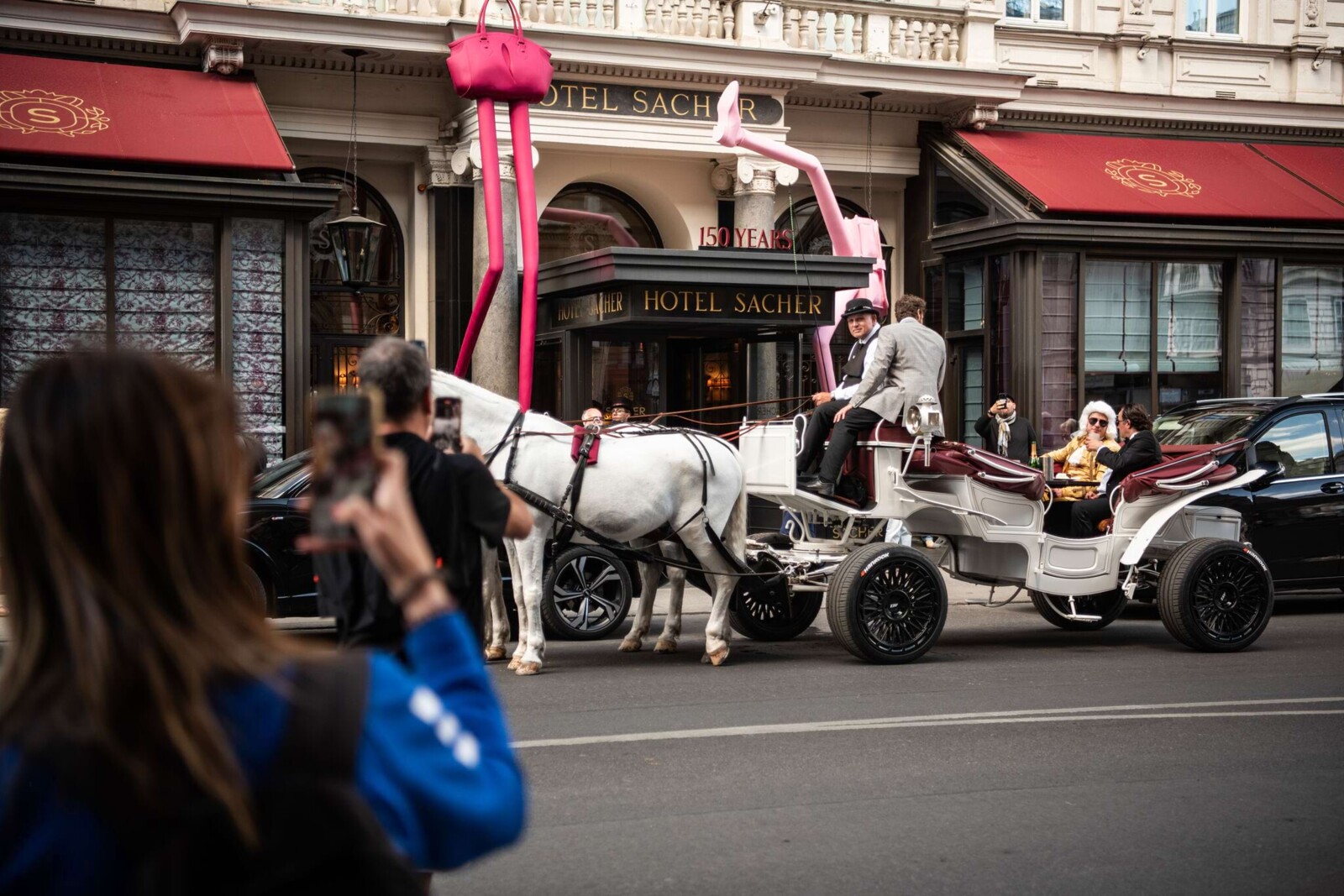
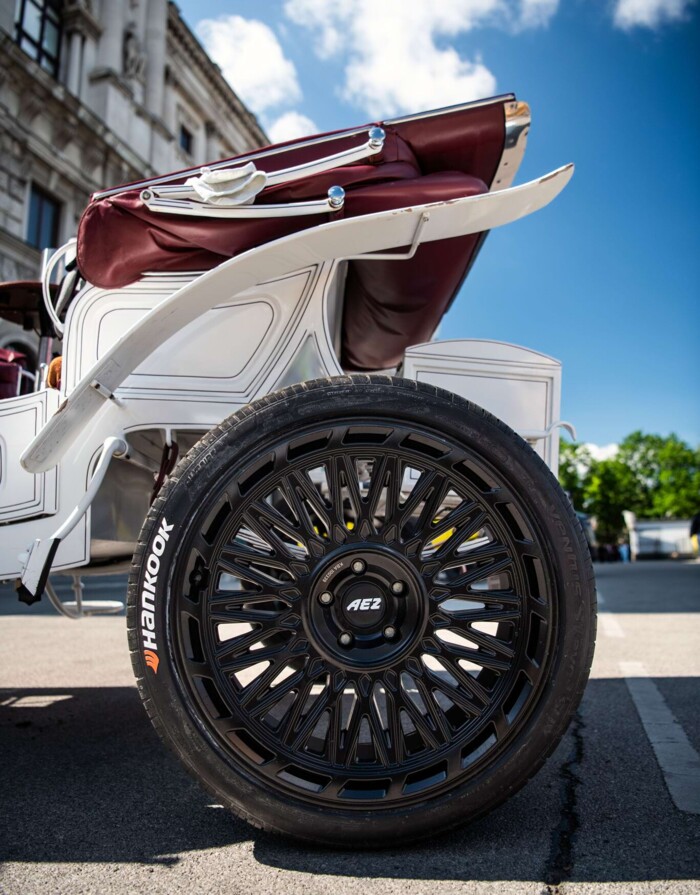
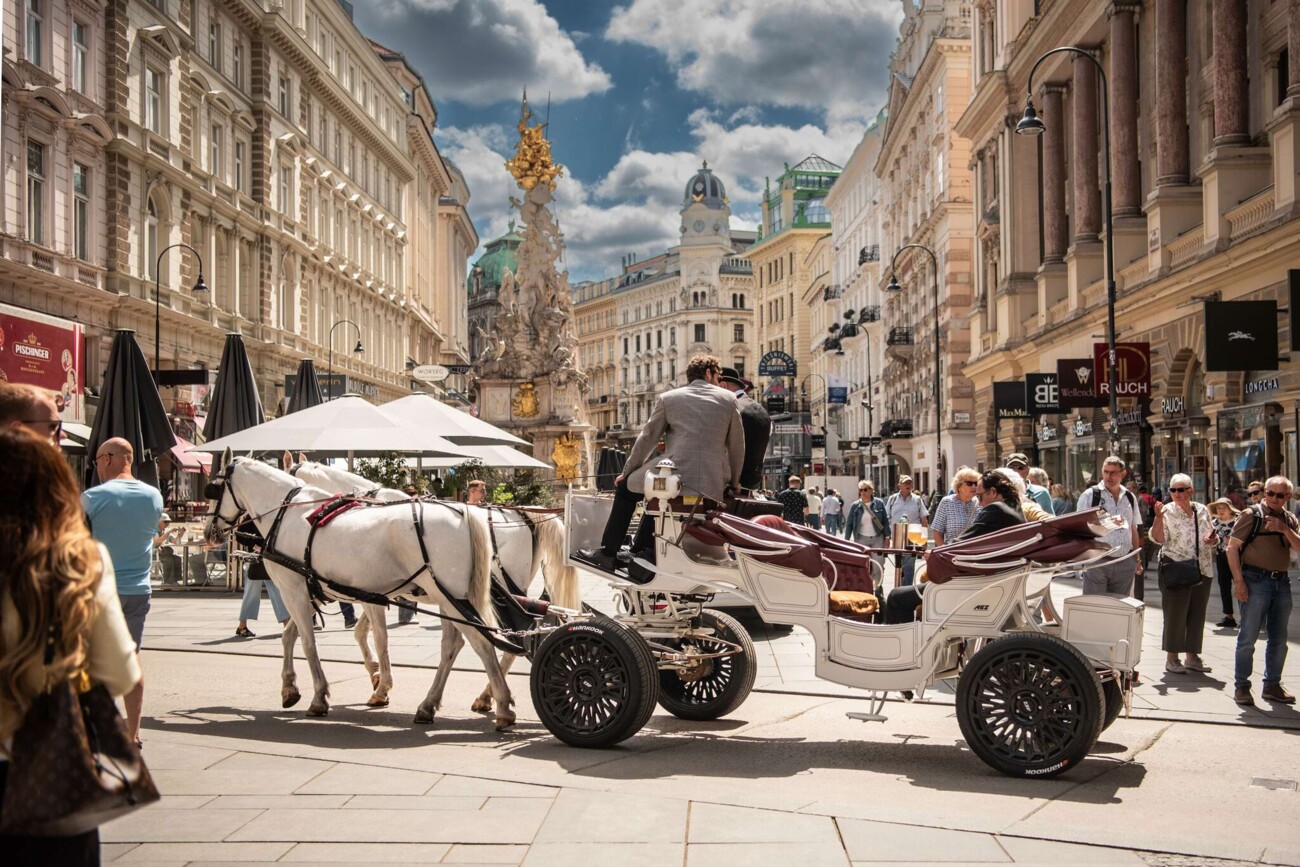
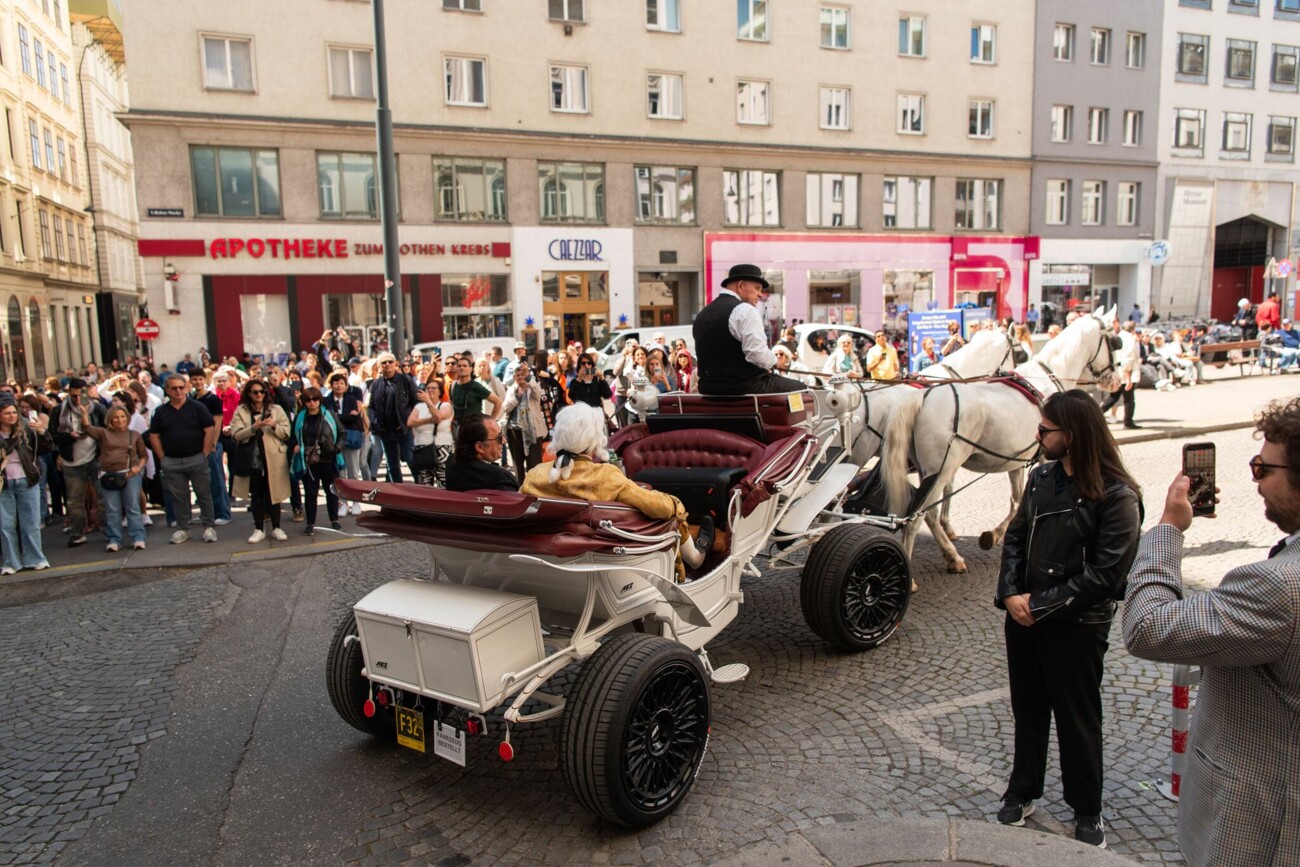
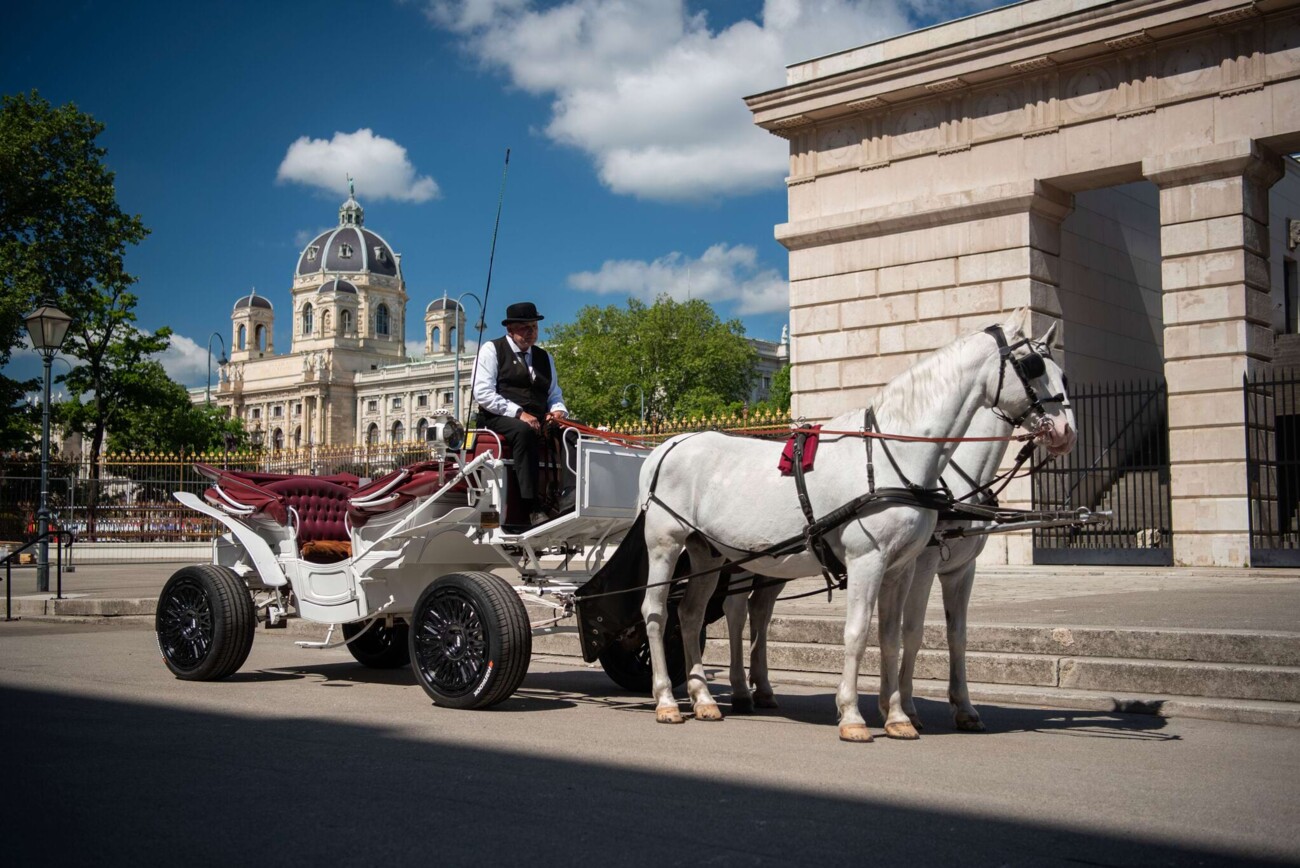
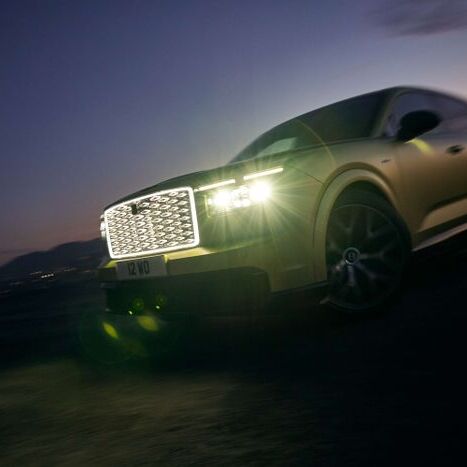
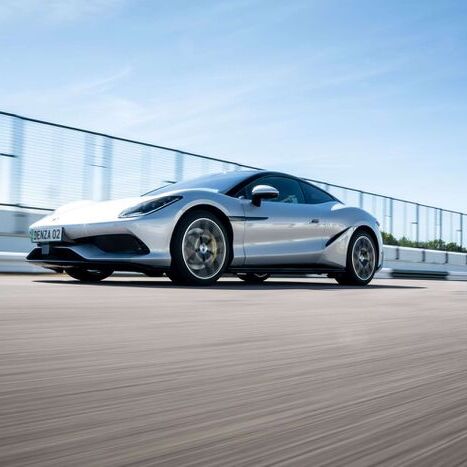
As we all know, times have changed; the world has moved on. In an advertising mix ranging from Hydration Break to TikTok, a bold advert featuring stunning AI-generated long-legged models dancing around an SUV fitted with AEZ Tokyo 23-inch wheels in a fantasy HDR lunar landscape would certainly go down well. Or at least it wouldn’t attract negative attention. But fortunately, AEZ is run by a slightly different sort of people. They can still remember the good old days of advertising, when beauty, aesthetics and authenticity were considered assets; they were even trained in those very principles. Consequently, the advertising campaigns they devise are less about ”Wow” and more about ”Aha”. And, as we know, the latter sticks in the mind far more lasting than any fleeting flash of inspiration. So they took the big, beautiful wheel – which, in its main job, adorns supercars such as an Audi RSQ8 or a Range Rover with its rims – and fitted it to a horse-drawn carriage. Two PS versus 600 or more. But ten times the impact.