But first things first:
The classic Defender was slow. Sometimes painfully slow. 70, 80, later a good 100 hp, which was considered sufficient. More was unnecessary, perhaps even suspicious. Performance was not a goal, but a secondary aspect of torque, gear reduction and stubbornness. The Defender didn't go fast. It drove on.
This was precisely where its dignity lay.
The early Defender stood for robust practicality. Developed for farmers, expeditions, the military, aid organisations. For work. For places where there were no roads - and often no alternatives. The early Defender was honest to the point of harshness. You could feel everything: the ground, the weather, the mechanics. Comfort? Not an issue. Its promise was simple: it would get you through.
Not fast. Not comfortable. But reliable. It was a tool, not a statement. It was simply there because it was needed. Never beautiful in the classic sense and with a certain indifference to trends. But credible.
That's why he was never cool at the beginning of his career. He became cool because he didn't care. A quality that you can't learn.
Over time, the world changed. Vehicles became heavier, safer, more complex. Roads faster, expectations higher. Performance took on a new role. It suddenly meant safety, confidence and relaxation. No longer "how fast", but "how relaxed". As the ability to remain calm, while everything else accelerates with excitement.
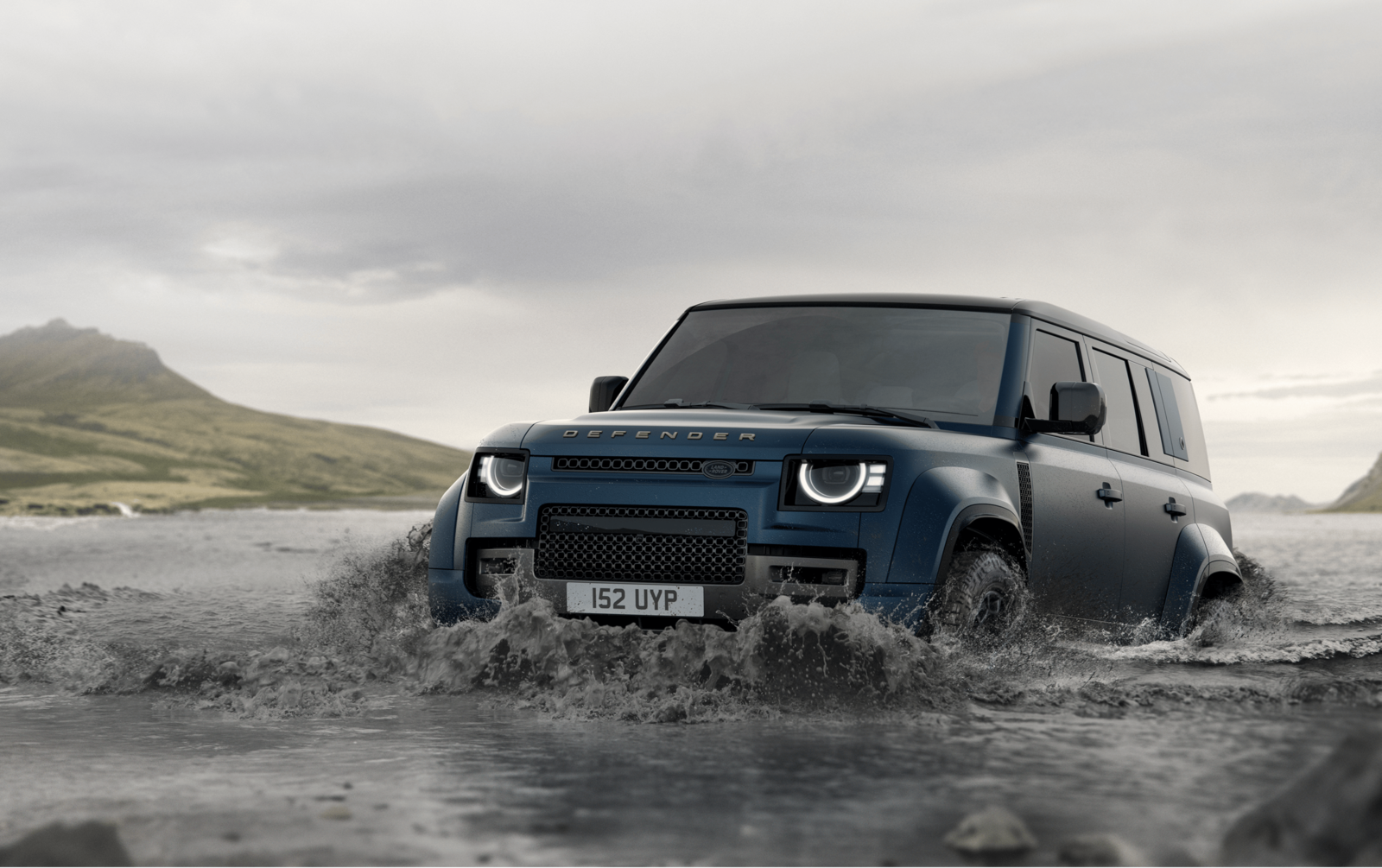
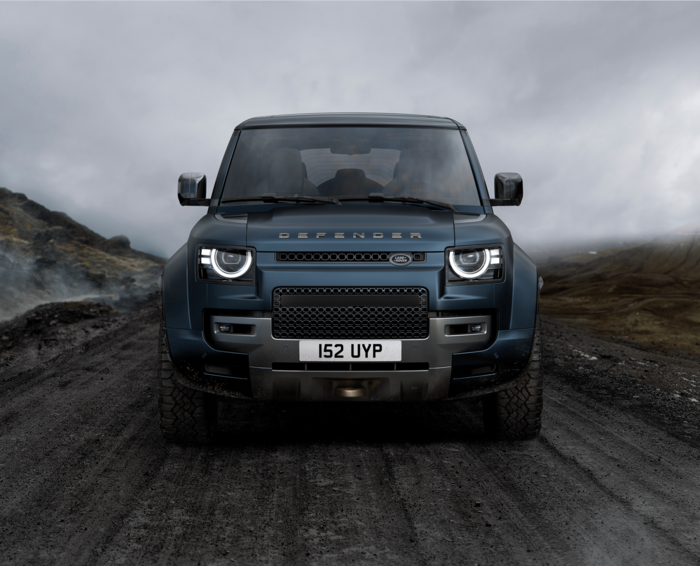
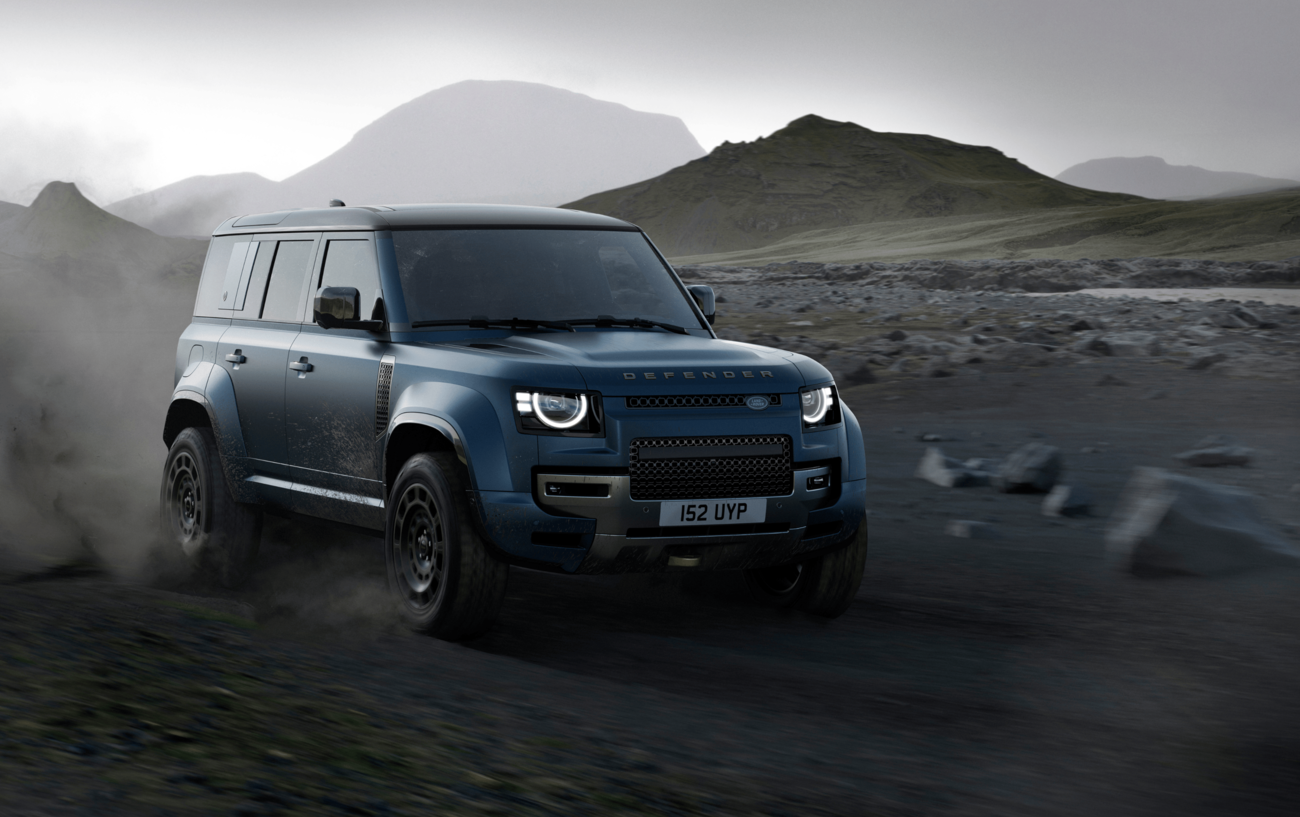
This is where the OCTA space begins.