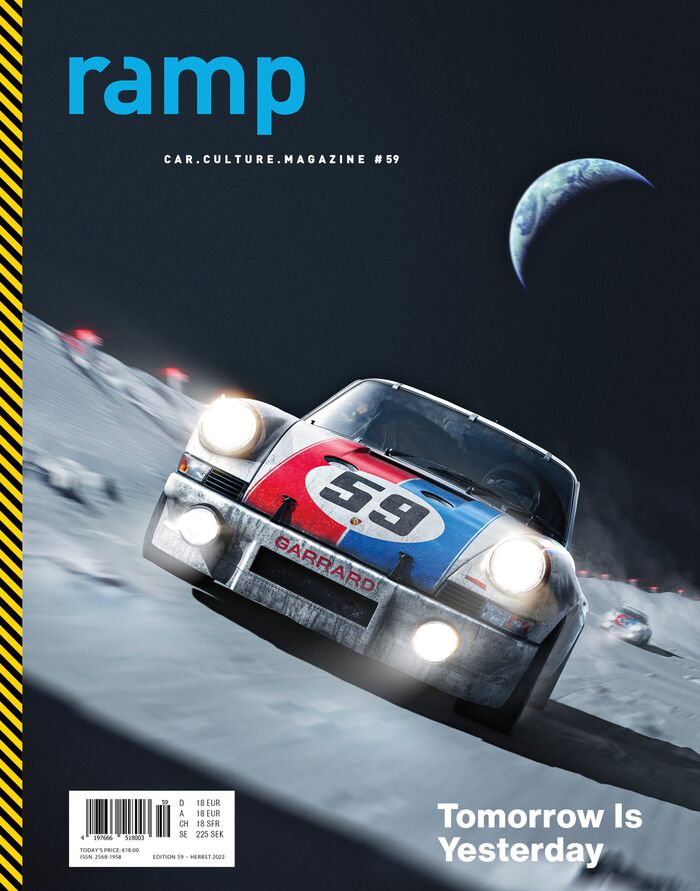
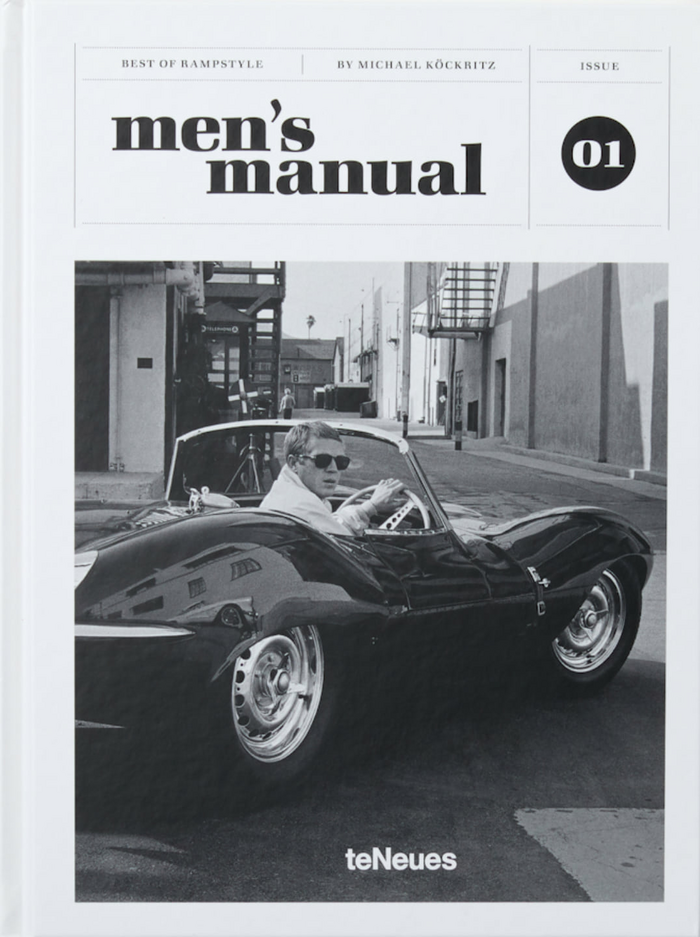
A portrait of vision, keen observation and the quiet audacity that made Rolex an icon.
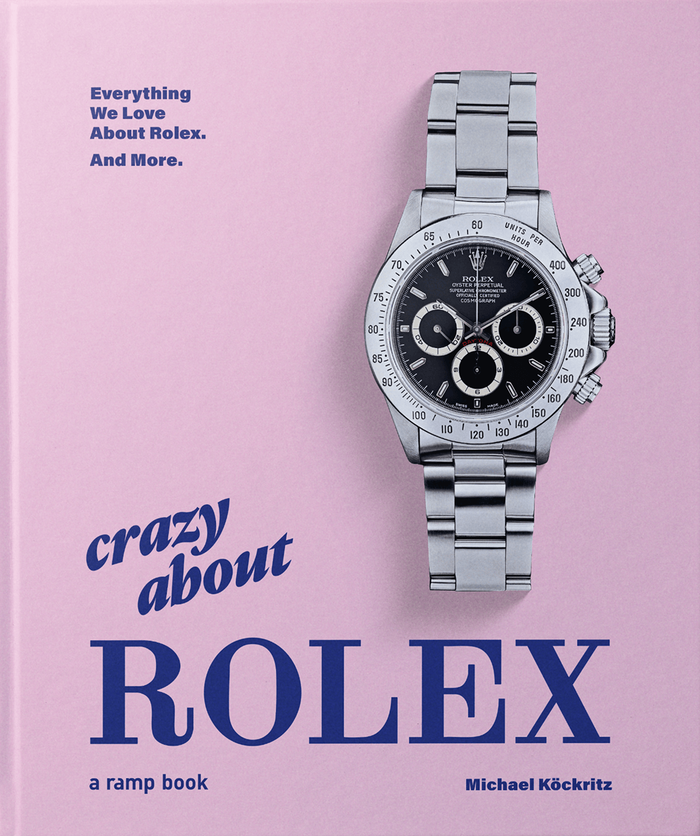
Crazy About Rolex
Hans Wilsdorf, the Visionary
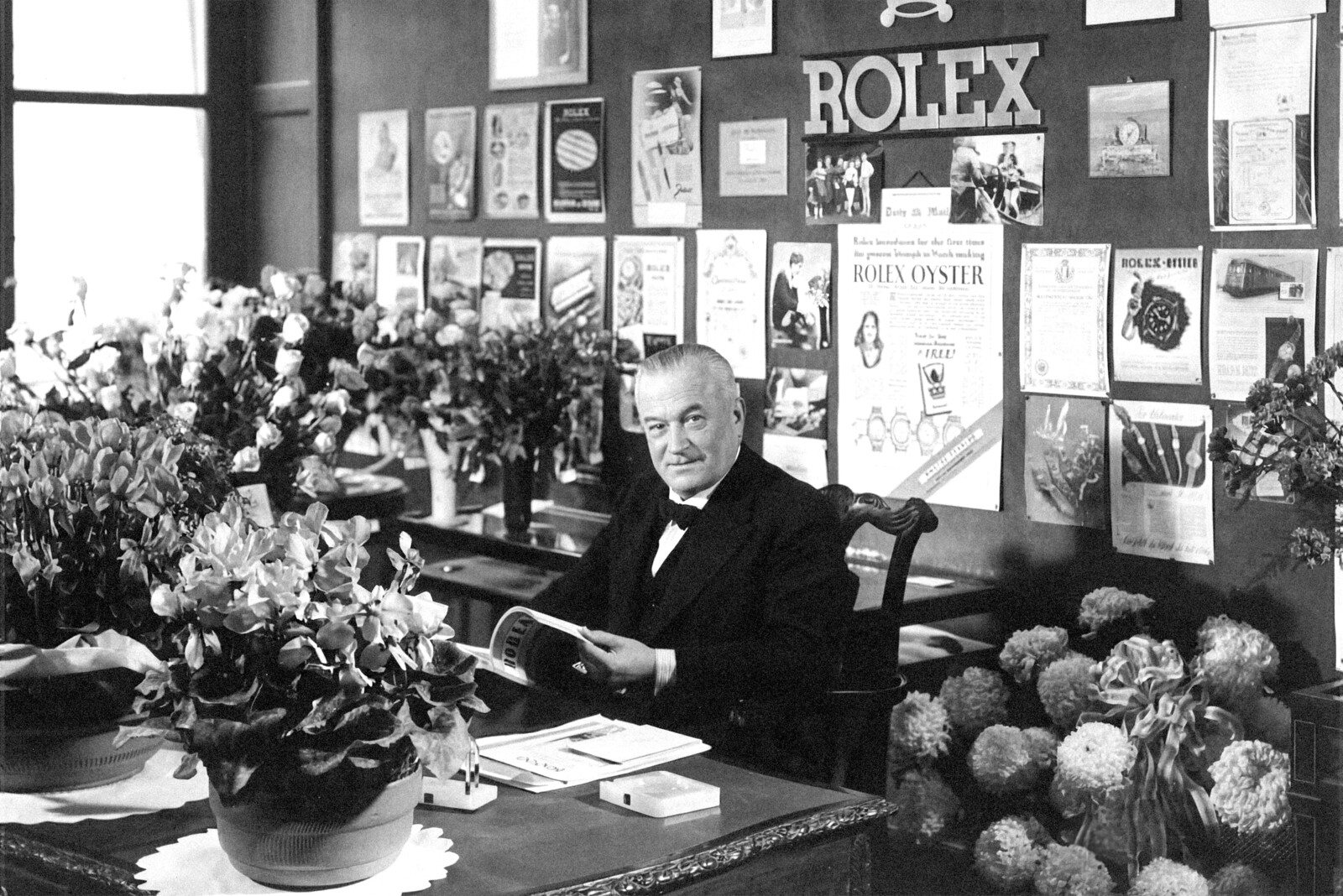
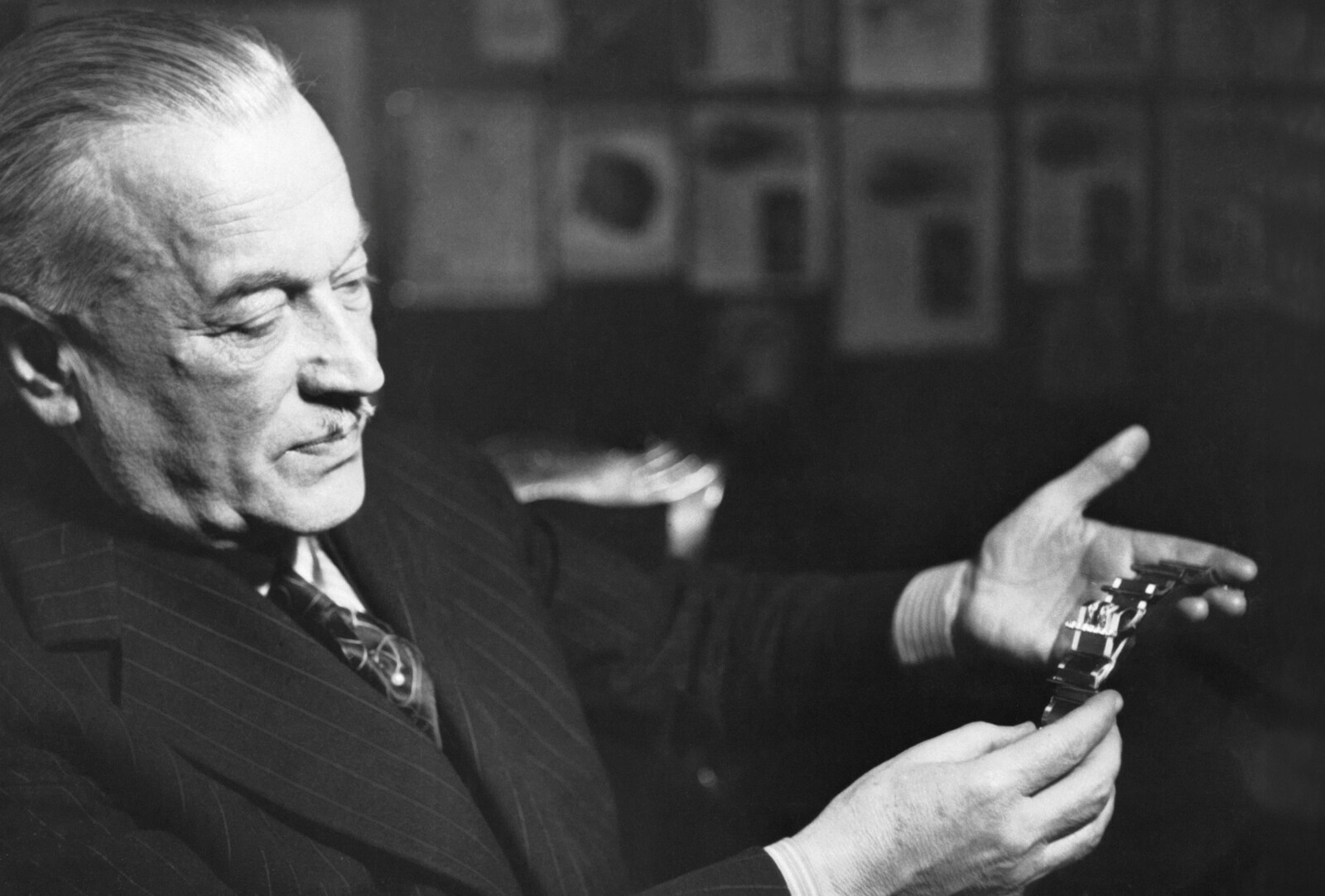
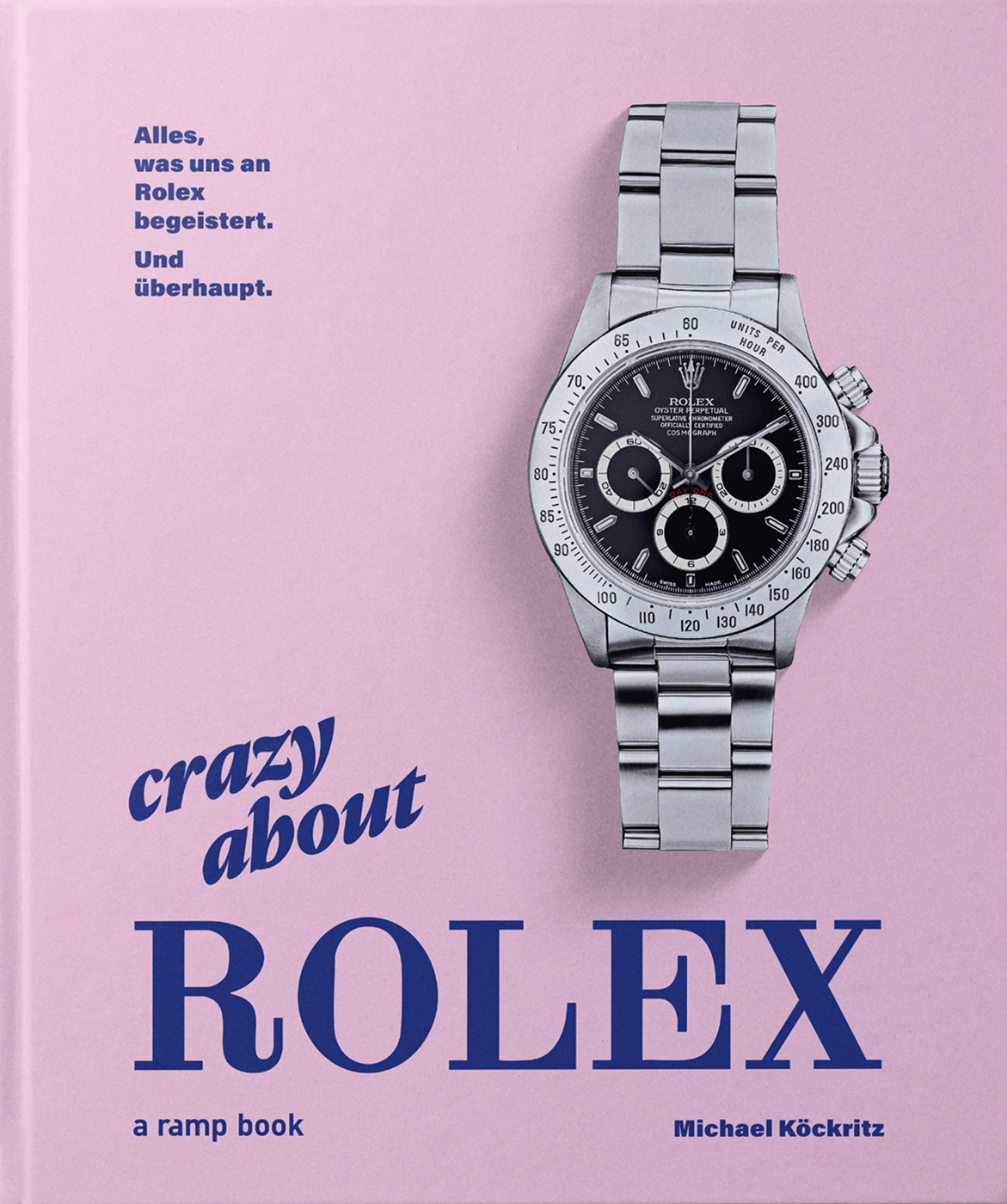

Crazy About Rolex. Alles, was uns an Rolex begeistert. Und überhaupt.
Dieses Buch ist eine Einladung, die Faszination Rolex neu zu entdecken – mit einem Blick für die Details, mit der Freude an Geschichte und Geschichtchen, mit einem stilsicheren Gespür für das große Ganze.
Similar articles




Our Bestsellers