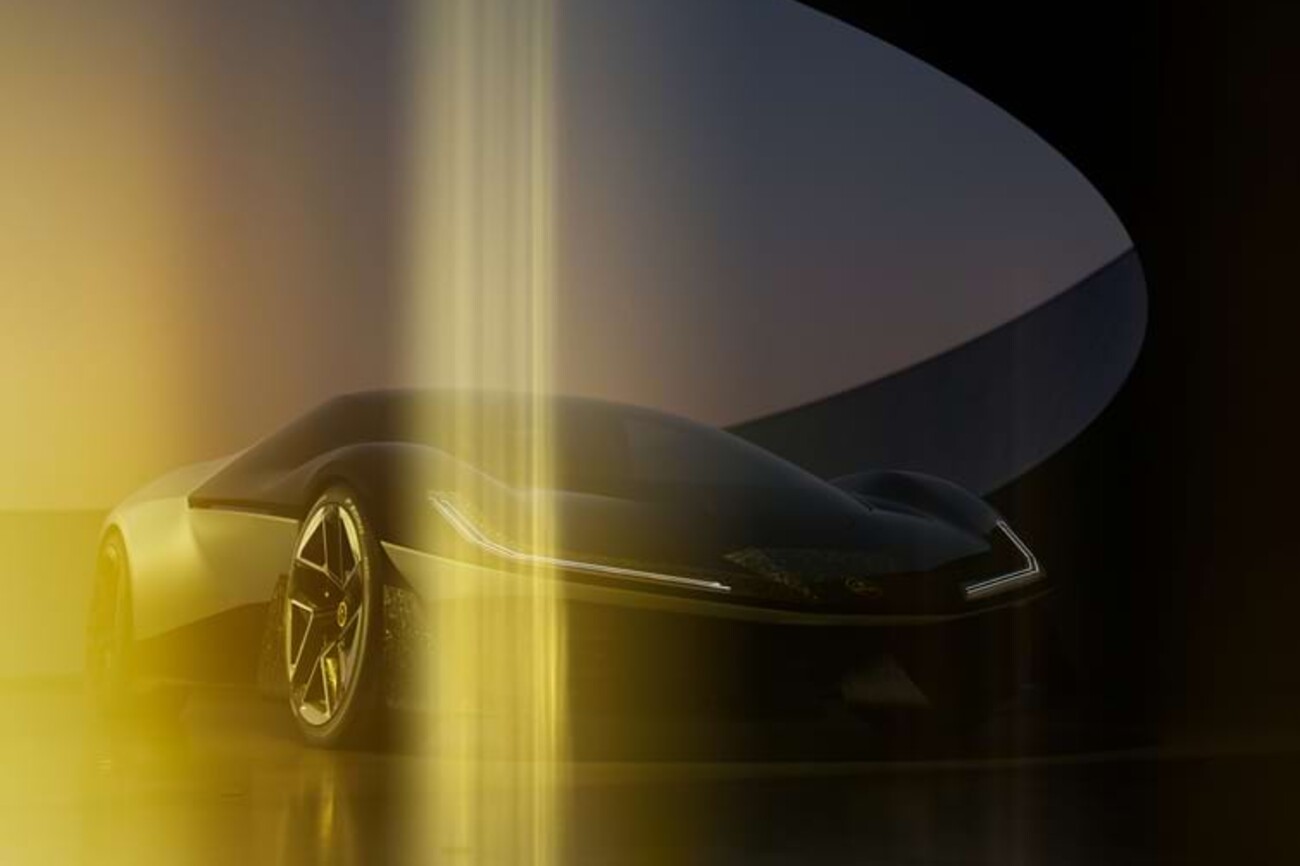
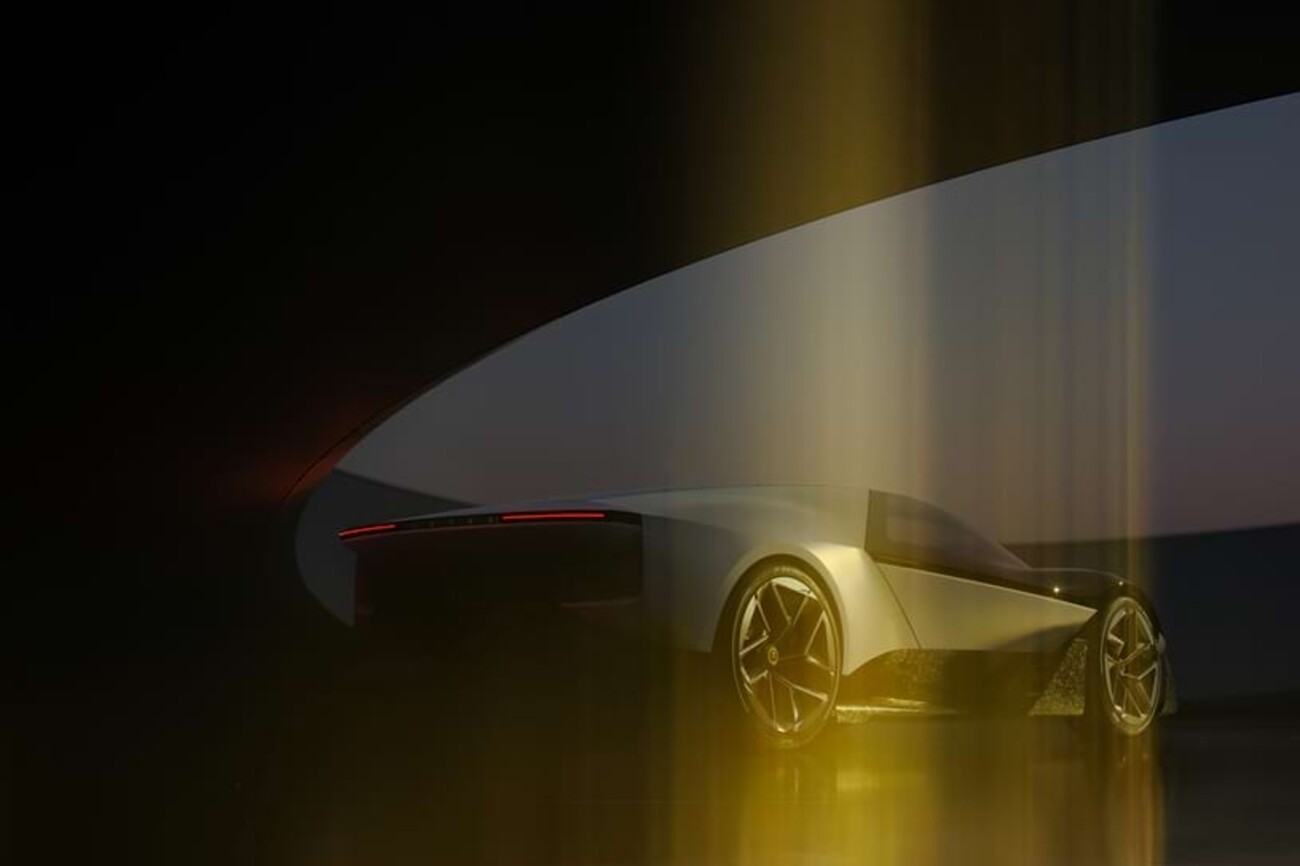
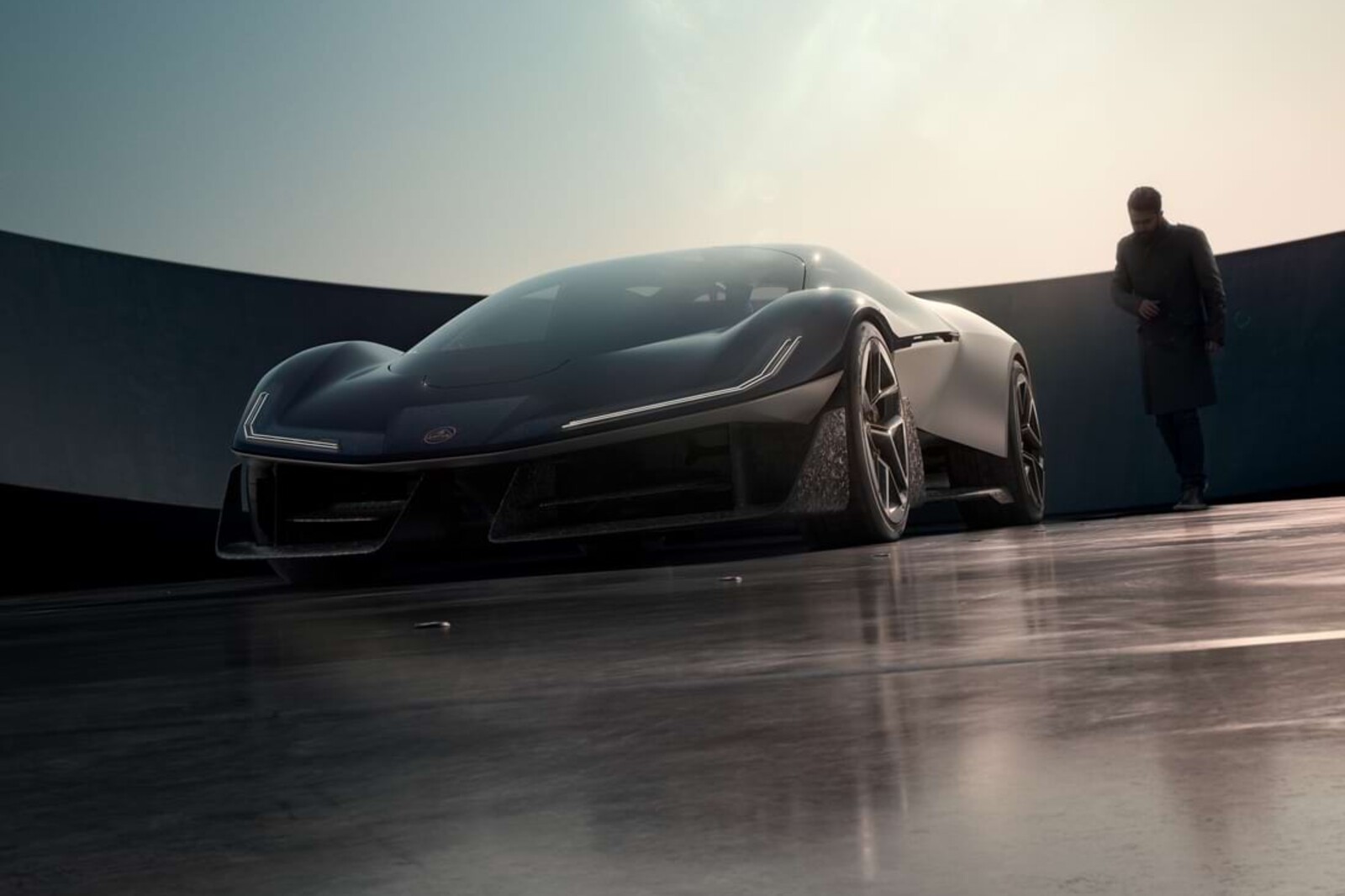
Lotus traditionally stands for lightweight construction. What does this look like in Theory 1?
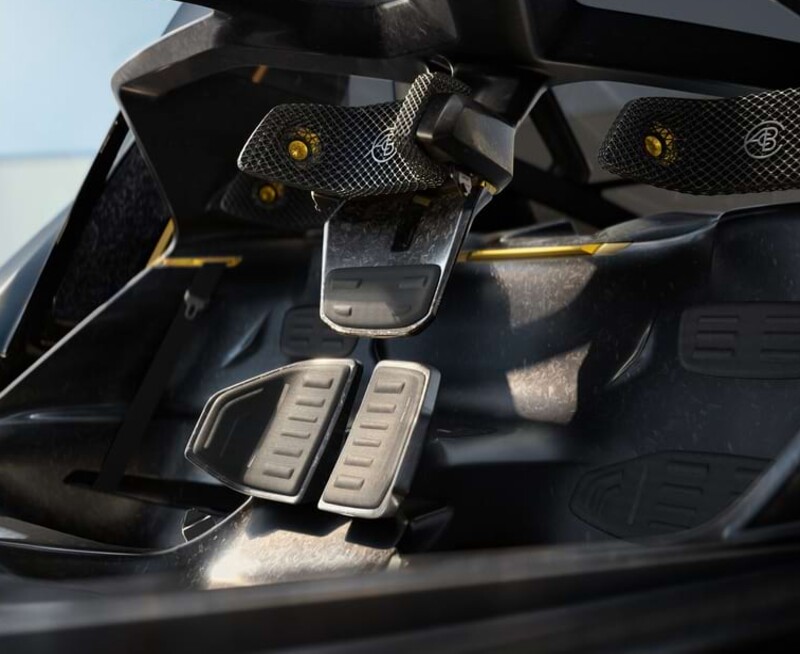
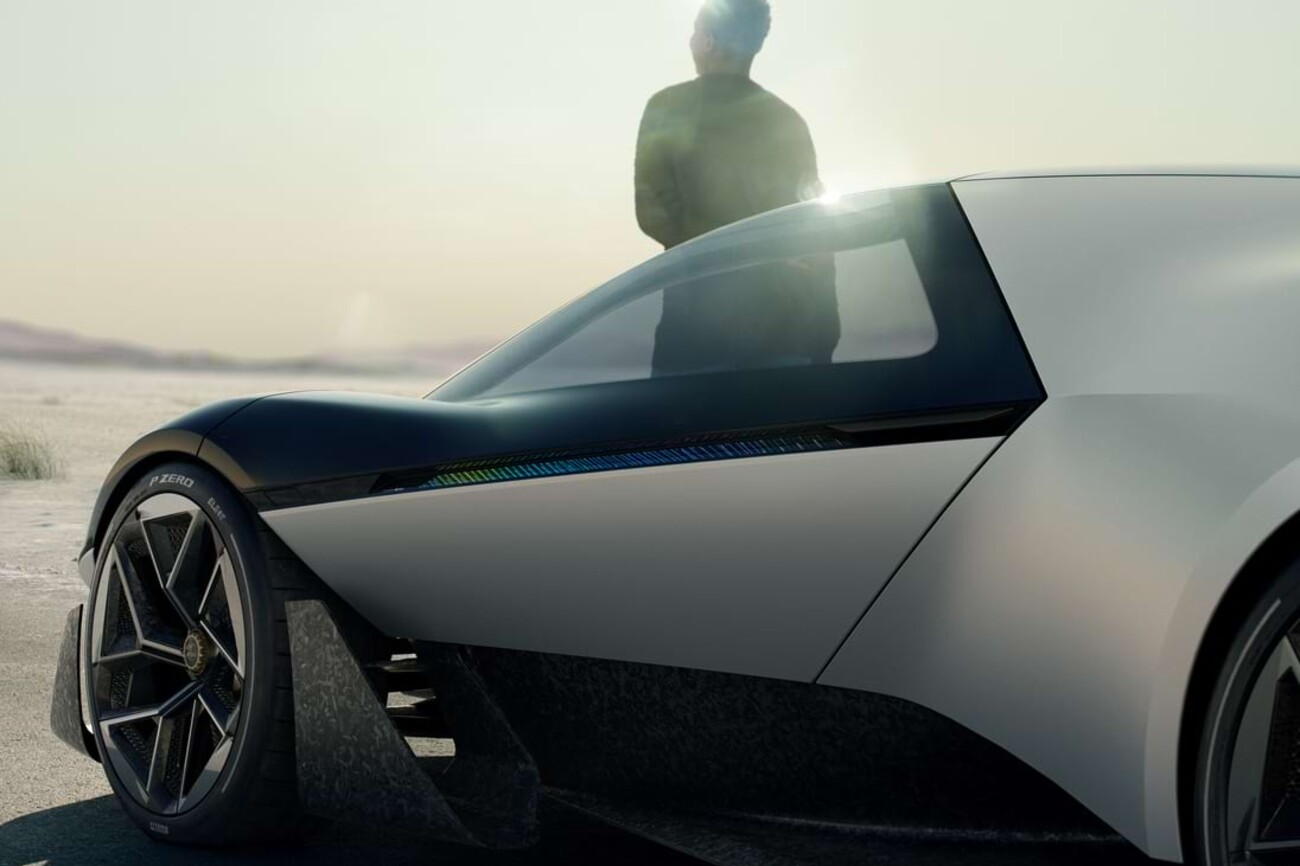
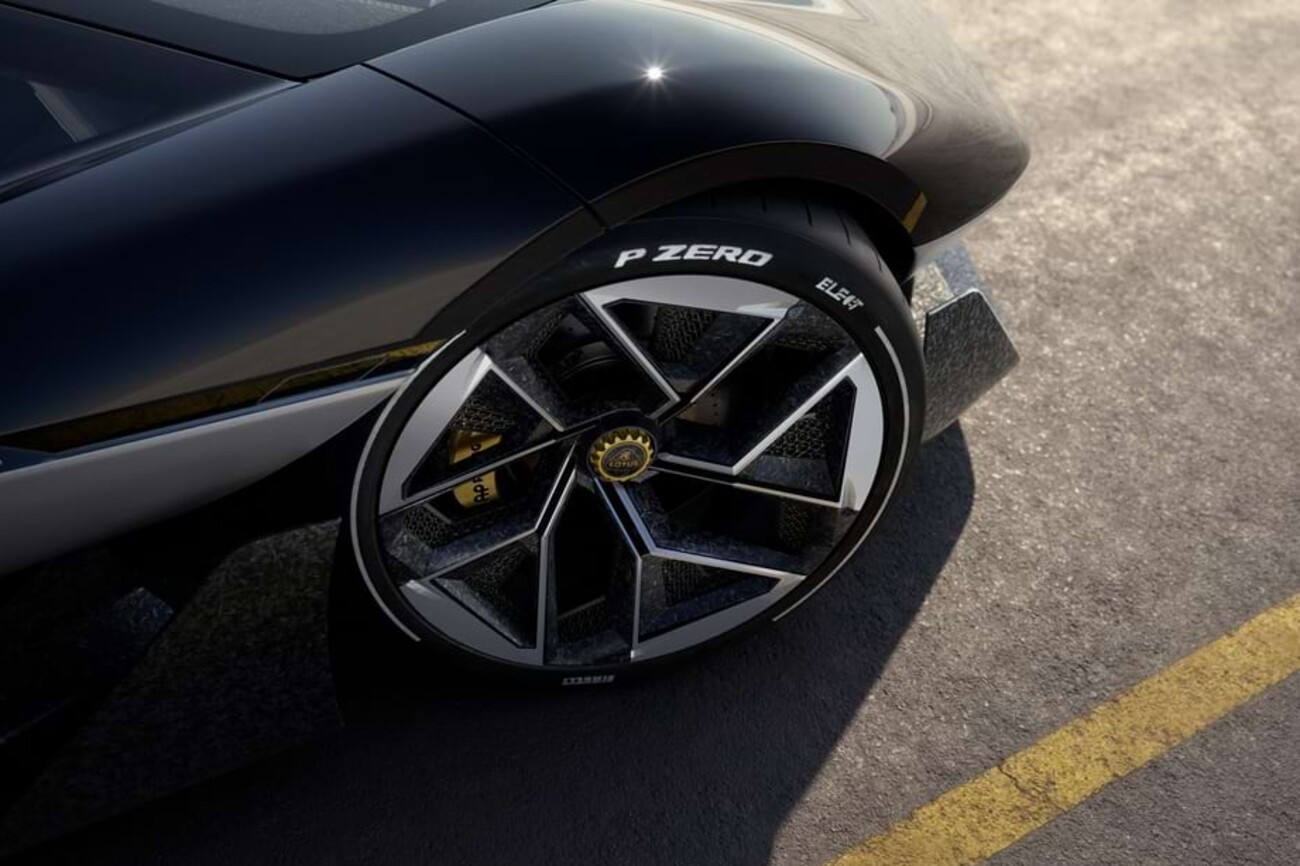
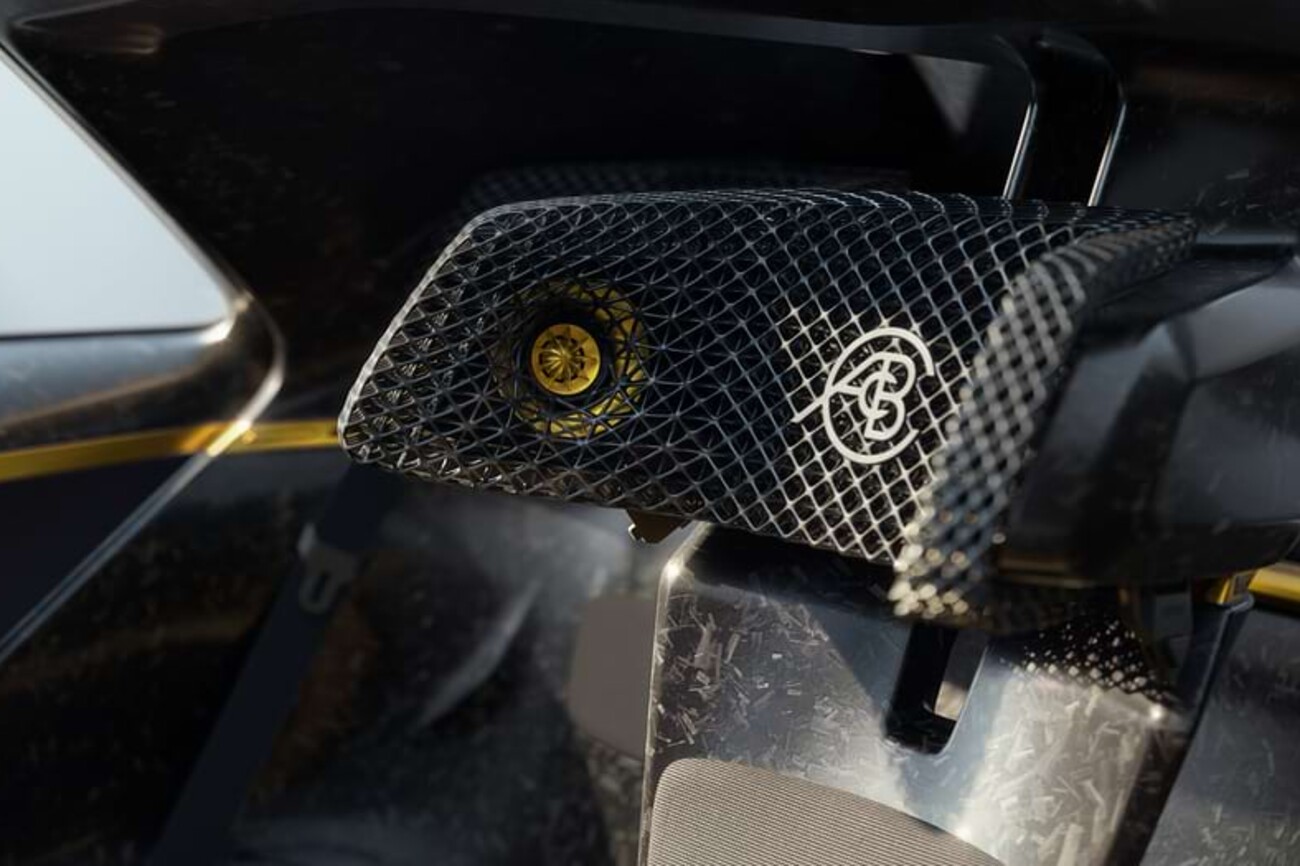
We wanted to radically reduce the variety of materials. While production cars today often have over 100 different surfaces and materials, there are only ten here. Recycled carbon, a textile, aluminium, titanium, 3D-printed elastomers - that's it. This is a new form of »simplify« à la Chapman.
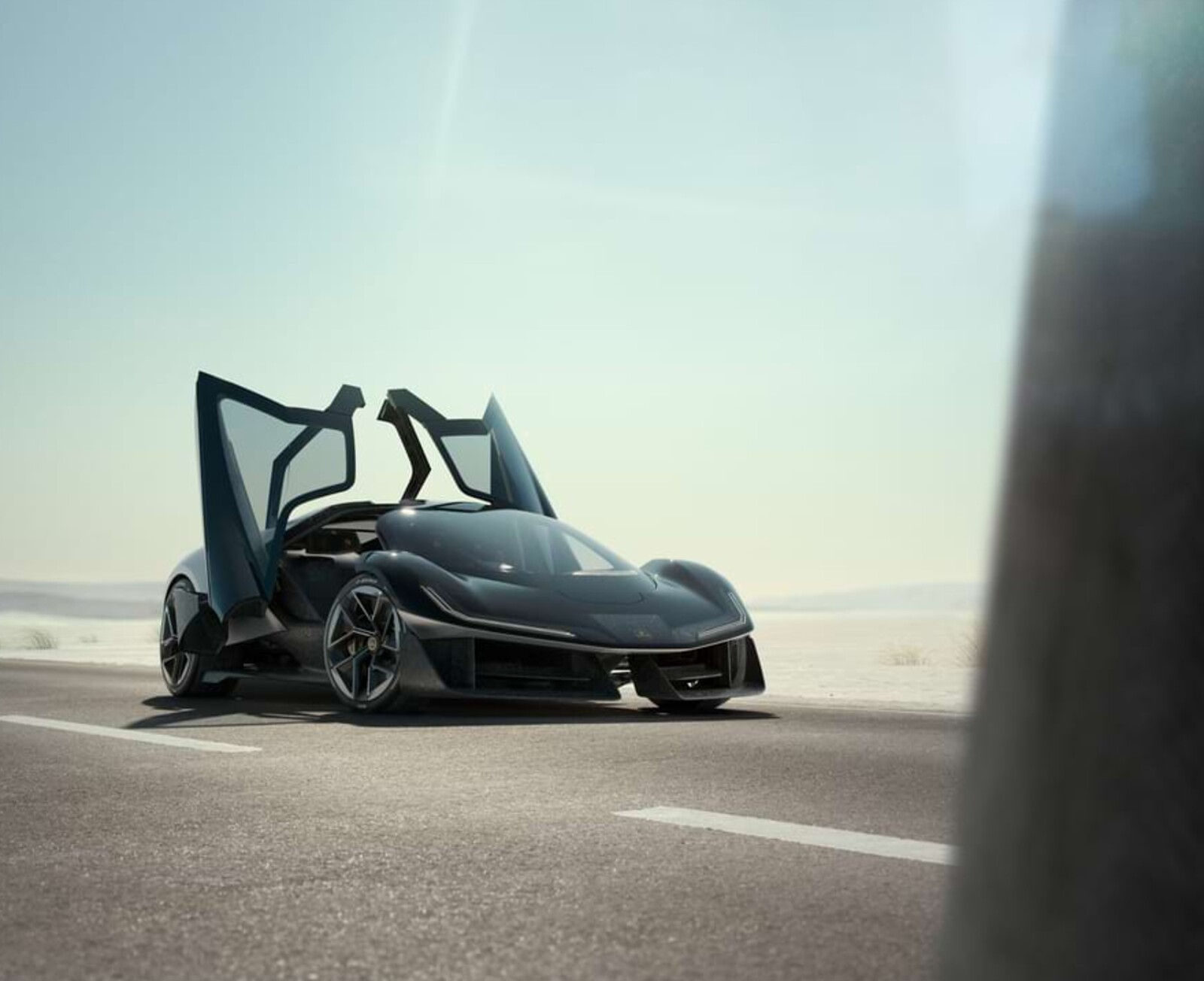
A Lotus with a central driver's seat is inevitably reminiscent of the McLaren F1. A problem?
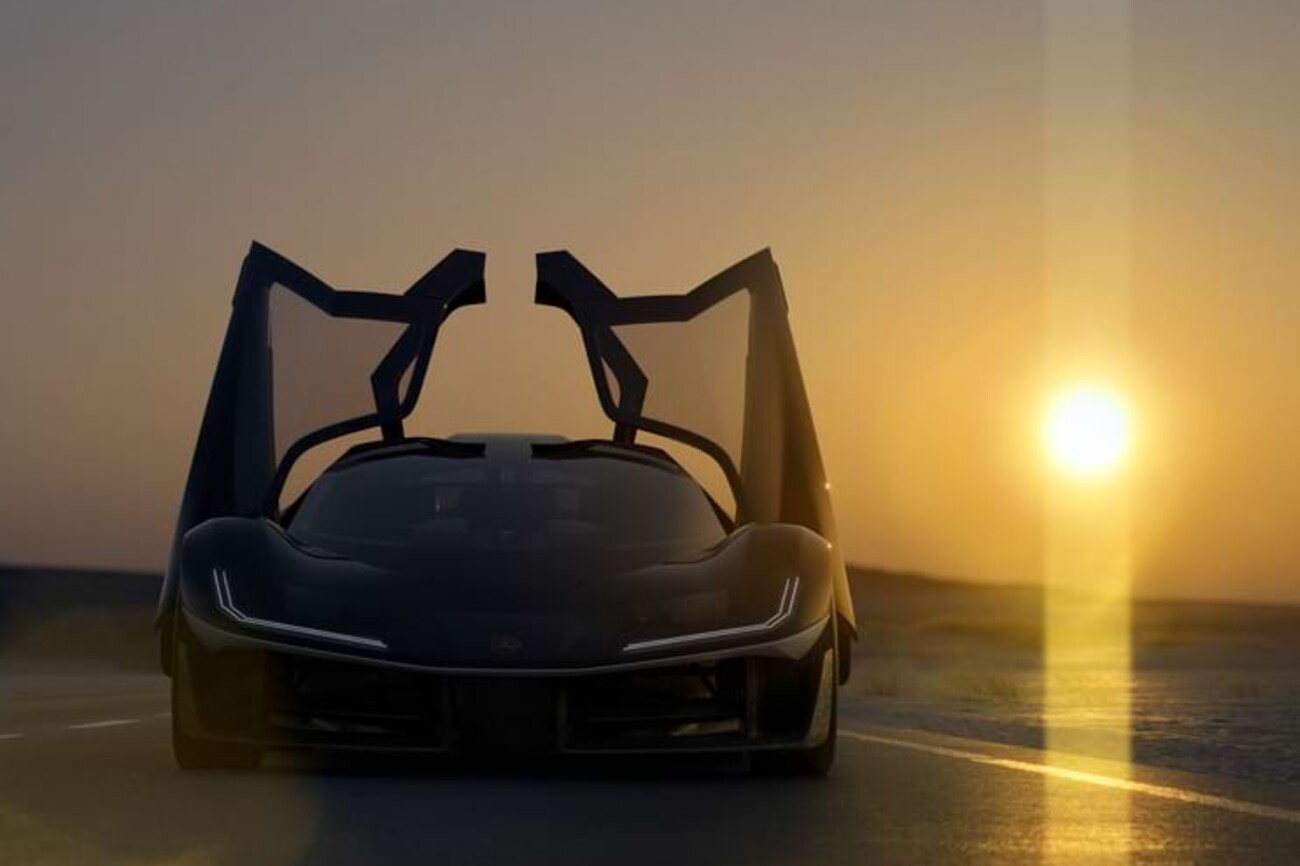
On the contrary, the F1 is an icon of driver's cars. For us, it makes sense in terms of content to put the driver at the centre - literally and figuratively. The view to the front is fantastic, the driving experience intense. Of course, it poses challenges in terms of access and packaging, but that is precisely why we have rethought the door concept. A design idea thus became a product innovation.
You yourself have a close connection to Formula 1. What role does this connection play for you?
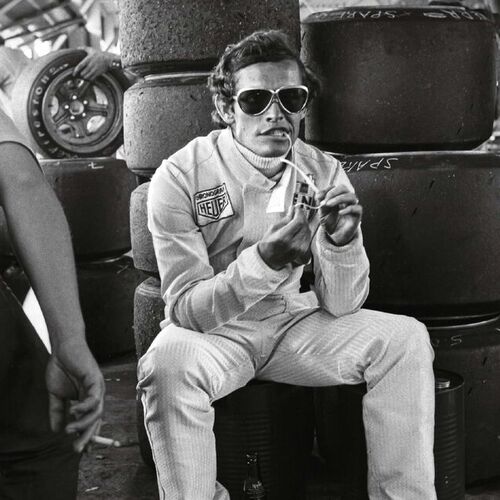
As a child, I followed Formula 1 passionately. I still remember the 1987 season very clearly, when I was nine years old. Those cars and drivers were formative for me. Back then, Formula 1 was wilder, less regulated, full of characters and more risky. The cars looked different every year and the leaps in innovation were huge. Today, the field is more balanced, which has its reasons, but the fascination used to be different.