Europa Universalis V
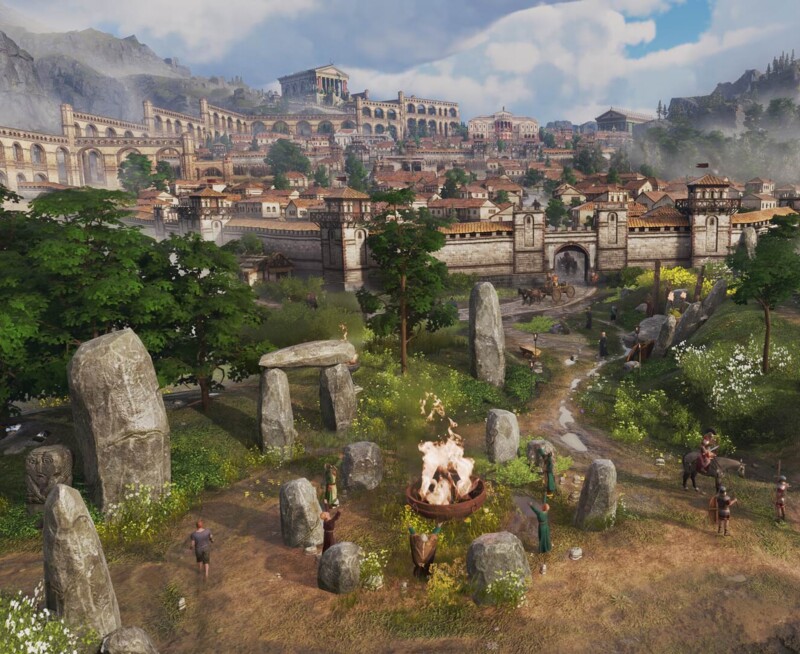
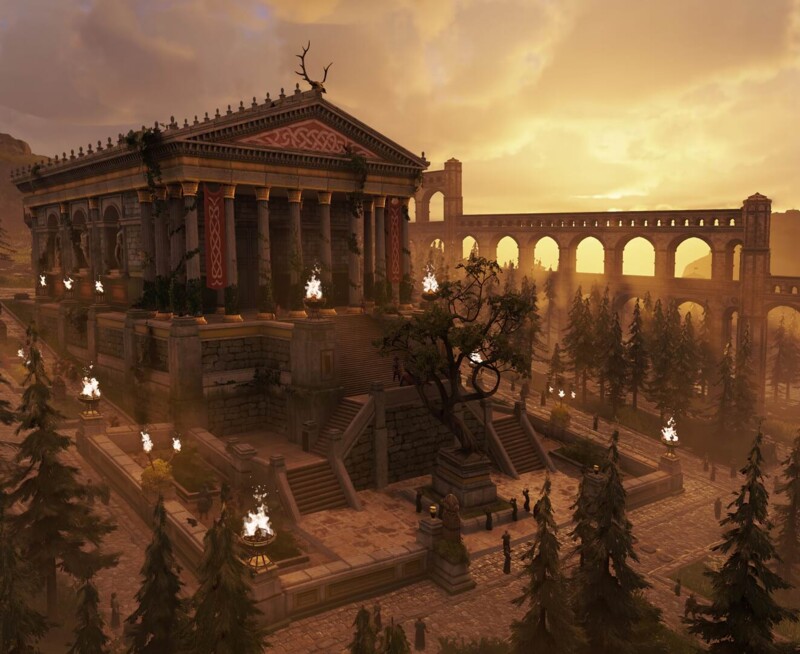
How much history can you actually manage before your patience collapses? "Europa Universalis V" does not ask this question, it simply assumes that you will try. Five centuries of world politics lie before you: from the late Middle Ages to the Age of Revolution, complete with the Hundred Years' War, the Reformation and the eternal ping-pong of dynasty and diplomacy. Every nation has its own catalogue of crises, and every decision acts like a stone in the gears: sometimes lubricating, sometimes blocking.
This time, however, the system goes deeper. The population no longer exists as an abstract number and much more as a finely modelled mosaic of religions, cultures and classes that is visibly reflected on the map. The nobility, clergy and bourgeoisie tug at your power, each group demands privileges, each reform generates headwinds. Domestic politics is no longer a menu page, it s a daily reality that quietly sabotages your foreign policy. What is also new is how logistics and economics ground warfare: Armies no longer march across the map like ghosts, they need supplies, population, infrastructure and above all patience.
What makes "Europa Universalis V" so fascinating is its mixture of planning and chaos. You coordinate perfect trade routes across dozens of goods, only for a neighbouring state to decide to ruin your dream with a single alliance. You centralise your power only for a religious minority to ignite the provinces. And yet this is precisely the appeal: a strategy game that looks less like spreadsheets and more like living history. In other words: a world that keeps rolling even when your plans have long since fallen apart. If you don't lose your patience, you'll discover one of the best strategy games of recent years.