First things first: At the age of eighteen, Hill was involved in a violent brawl in a pub. We don't know how badly he beat up his opponent. Graham himself, however, suffered a hernia. In severe pain, he rode his motorbike, a 1936 Velocette, to a London hospital and underwent an operation. Everything could have turned out well - if the newly recovered rider hadn't immediately got back on his bike in the snow, ice and fog to make the 170-kilometre journey to Cheltenham, where he went to college. He crashed into a parked car shrouded in thick clouds of fog and lay unconscious. Luckily for him, it was only a fracture to his left thigh, albeit a complicated one. So straight back to hospital. Three months of bed rest. Then two months in an iron brace and crutches. But the doctors had messed up. During the healing process, the leg shortened despite the support and bent further and further outwards. As a result, Hills' spine became curved, which is why he suffered from constant back pain from then on.
But that was not all: seven years later, he also suffered a serious injury to his left foot. Hill was now working as a car mechanic. He wanted to sit in an Alfa Romeo parked on a steep hill that needed to be repaired. His left leg was still outside with the door open. Somehow he managed to get the Alfa to roll backwards. His left foot, for whatever reason, was upright, heel down, toes up. And now the left front wheel rolled over the foot that remained in this position. A passer-by rushed to help and brought the Alfa to a halt. The foot never healed completely and always felt a little numb. What does all this tell us? Firstly, there was nothing to suggest that someone with such a physical impairment could ever become a racing driver. Secondly, he would never have been granted a licence today. Thirdly, with his damaged back, he wouldn't have lasted two laps in today's tough Formula 1 cars. Fourthly, his triumphs should be rated even higher in view of the events described above.
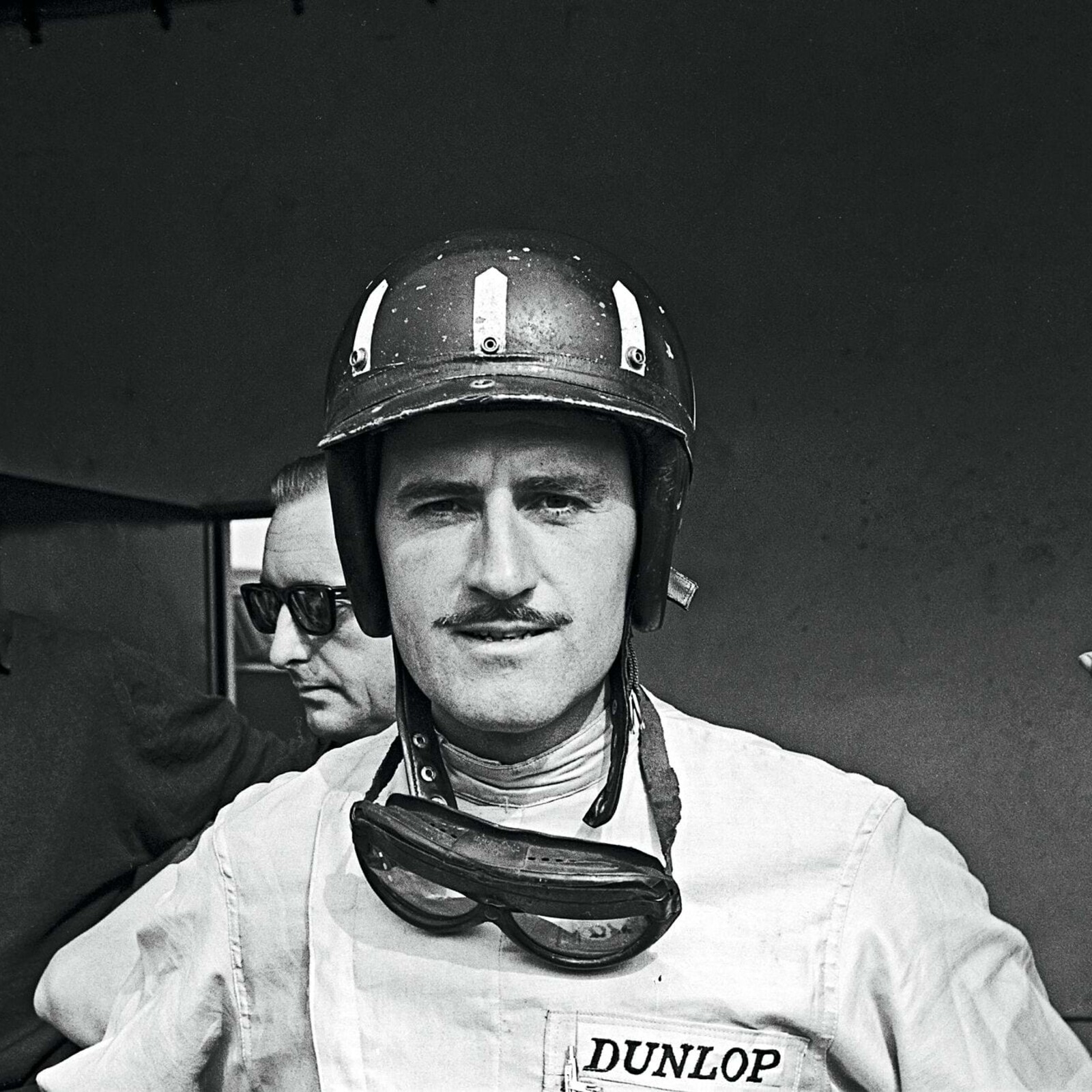
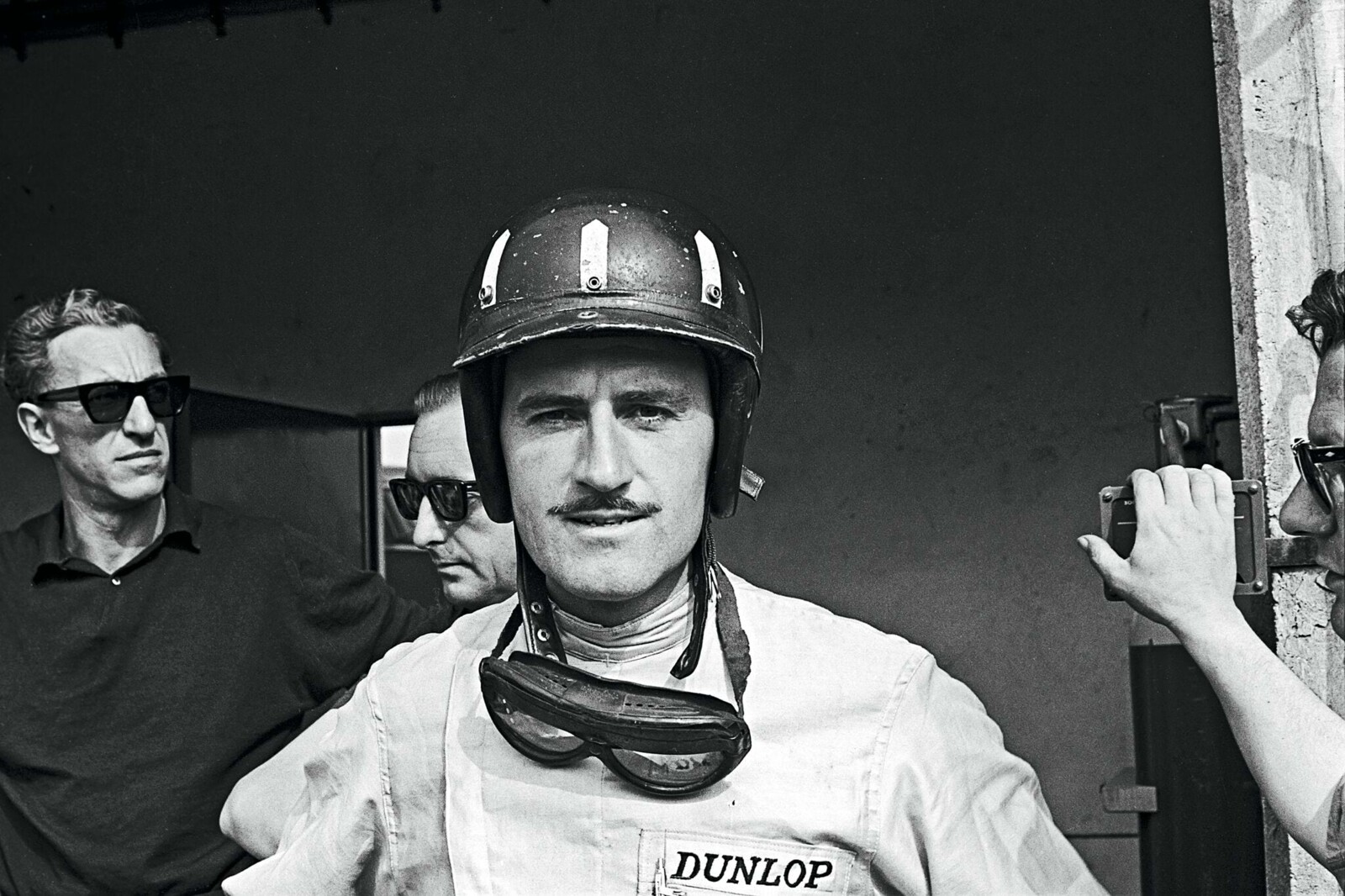
There was another argument against a career as a racing driver: Graham didn't get his driving licence until he was twenty-four. He had no interest in cars, his sporting interest was rowing and he was a member of the London Rowling Club - one of the best stroke men in the eight. The club's logo, eight white oar blades on a dark blue background, adorned his racing helmet (including Damon Hill's) until the very end. He had no idea what he would do for a living. His father, a stockbroker, knew someone at instrument maker Smith's. Graham began an apprenticeship there with little enthusiasm. He did his military service in the Royal Navy. After completing the required two years, he returned to Smith's - with even less enthusiasm.